

What Are the Best Day Trips From Reykjavík in Winter?
12. nóvember 2026
What Are the Best Day Trips From Reykjavík in Winter?
12. nóvember 2026
Winter offers a different perspective on Iceland's landscapes, from snow-covered geothermal fields to waterfalls framed by ice. If you're lucky, you may even catch a glimpse of the Northern Lights. While many major attractions remain accessible throughout the season, visiting them in winter requires a different approach. Shorter daylight hours, changeable weather and icy road conditions mean day trips from Reykjavík require more careful planning.
This guide compares some of the best winter excursions to help you choose an experience that suits your schedule, interests and travel preferences.
Which Winter Day Trip From Reykjavík Is Right for You?
When choosing winter day trips from Reykjavík, total excursion time and available daylight are important considerations.
- Golden Circle (6–8 hours): Best for first-time visitors.
- South Coast to Vík (10–11 hours): Best for waterfalls, glaciers and black sand beaches.
- Snæfellsnes Peninsula (11–12 hours): Best for varied landscapes and coastal scenery.
- Lava Tunnel (Approximately 3 hours): Best for shorter outings and limited daylight.
- Blue Lagoon or Reykjaböð (Approximately 4–6 hours): Best for relaxation and geothermal bathing.
- Golden Circle and geothermal lagoon (Approximately 9–11 hours): Best for combining sightseeing and relaxation.
Trips with high daylight dependence do not necessarily require the entire journey to be in daytime. Some guided tours schedule longer transfers before sunrise or after sunset. That way, visitors can make the most of the available daylight at the main attractions.
Even well-maintained main roads can be affected by snow, ice and strong winds during Iceland's winter months. A guided day trip removes the need to navigate unfamiliar winter roads, although severe weather can still cause delays or cancellations.
The Best Day Trips From Reykjavík for Winter Sightseeing
Each winter excursion offers a different experience, but travel times, daylight and weather conditions can influence which one suits your plans. Here are the top trips to take when you’re coming from the capital.
1. Golden Circle: Best for First-Time Visitors
The Golden Circle is one of the best all-round choices for first-time visitors to Iceland in winter. The route covers three major attractions: Þingvellir National Park, the Geysir geothermal area and Gullfoss waterfall. A Golden Circle winter tour offers a manageable sightseeing day, leaving time to rest before any evening activities.
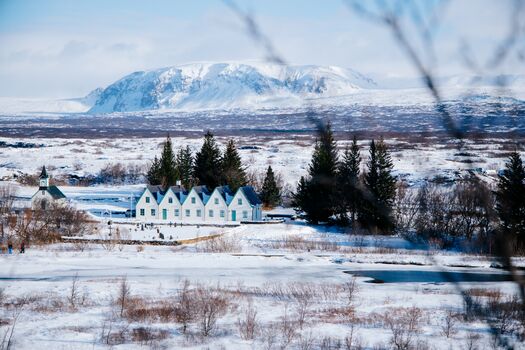
Standard excursions take roughly six to eight hours. While some travelling may take place in darkness during midwinter, guided tours make the most of available daylight at the main stops. Snow covers the Þingvellir rift valley, steam rises from the Geysir geothermal springs, and ice formations frame the Gullfoss cascades.
Although main attractions remain accessible, walkways around Gullfoss and Geysir can be icy and exposed to strong winds. Wear sturdy footwear with good grip and warm, waterproof clothing.
2. South Coast: Best for Dramatic Winter Landscapes
The South Coast is one of the most popular day trips from Reykjavík throughout the year. The route offers varied scenery, passing waterfalls, black sand beaches and glaciers. Highlights include Seljalandsfoss, Skógafoss and Reynisfjara black sand beach, where low winter light and occasional snow can make the landscapes especially striking.
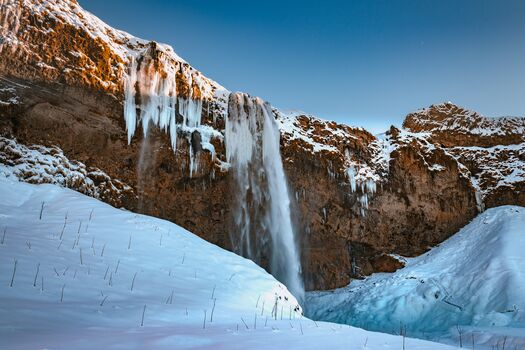
Between the Golden Circle or South Coast, remember that the South Coast requires significantly more travel time. Day trips to Vík typically take 10 to 11 hours, with some driving in darkness during December and January. Because of the long journey, travellers planning an evening Northern Lights tour may prefer to schedule it on a different day. Strong winds and icy conditions can also affect travel times. This excursion is best for visitors who prioritise varied scenery and are comfortable with a long day on the road.
Safety is another consideration. Walking paths around waterfalls can be icy, and access to certain areas, like the path behind Seljalandsfoss, may be restricted during winter. At Reynisfjara, always follow safety warnings and stay well back from the shoreline due to unpredictable sneaker waves.
3. Snæfellsnes Peninsula: Best for a Variety of Winter Landscapes
Often described as “Iceland in miniature,” the Snæfellsnes Peninsula features volcanic peaks, sea cliffs, lava fields and picturesque fishing villages. Landmarks such as Mount Kirkjufell and the black church at Búðir can be particularly striking against snowy surroundings. Along the coast, dark volcanic rocks contrast with winter landscapes and the Atlantic Ocean.
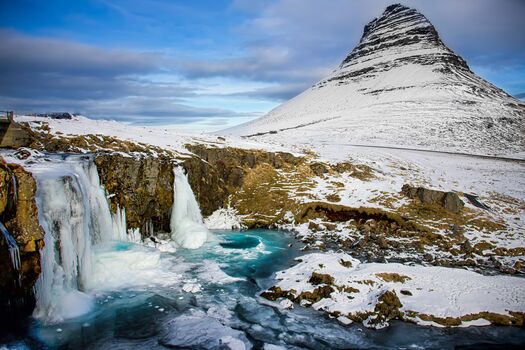
However, Snæfellsnes requires a substantial time commitment. Guided Snæfellsnes Peninsula Tour from Reykjavík typically last around 11 hours, with several hours spent travelling. During midwinter, expect some of the journey to take place in darkness. Strong winds, snow and icy roads can also affect travel across the peninsula, occasionally requiring changes to the itinerary.
Snæfellsnes is well-suited to photography enthusiasts and travellers who want to experience a variety of Icelandic landscapes in one day. However, its longer duration makes it less suitable for those seeking a relaxed schedule or planning an evening activity.
4. Lava Tunnel and Nearby Geothermal Landscapes: Best for Limited Daylight
For travellers interested in Iceland's geology without spending all day on the road, shorter excursions near the capital are an excellent option. These short winter trips from Reykjavík are particularly appealing when daylight is limited.
The Raufarhólshellir Lava Tunnel Tour offers an underground experience that does not depend on natural daylight. During winter, ice sculptures and icicles can form near the entrance, adding to the cave's volcanic formations. A standard guided visit takes approximately one hour, or around three hours with return transfers from Reykjavík.
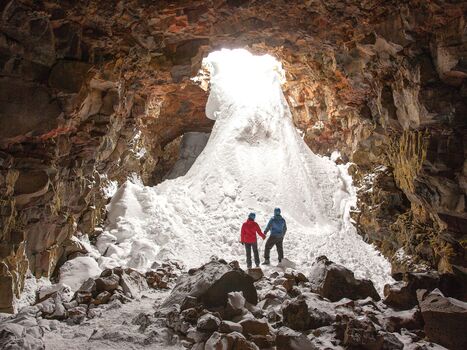
With a shorter journey, there’s time for other things to do from Reykjavík in winter. Alternatively, geothermal landscapes around Hengill and Hellisheiði offer opportunities to see steam rising from the ground, although outdoor excursions remain weather-dependent.
The Lava Tunnel is particularly suitable for travellers seeking a shorter, less daylight-dependent outing. However, the cave has uneven surfaces and stairs, so sturdy footwear and reasonable mobility are important.
5. Blue Lagoon and Reykjaböð: Best for a Relaxed Winter Day
For travellers seeking a slower pace, geothermal bathing offers a relaxing alternative to longer sightseeing excursions. Soaking in warm, mineral-rich geothermal water while the surrounding air is cold is one of the most soothing winter activities near Reykjavík.
The Blue Lagoon, located on the Reykjanes Peninsula, is approximately 45 minutes from Reykjavík. Visitors can book admission and return transfers, making it relatively easy to reach without a rental car.
Alternatively, Reykjaböð Hot Springs in Hveragerði offers geothermal bathing at the entrance to Reykjadalur Valley, around 35–40 minutes from the capital. Travellers can book Reykjaböð admission with return transfers from Reykjavík, with different bathing packages available.
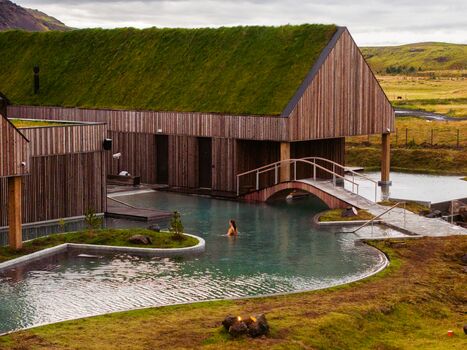
Among the shorter day trips from Reykjavík, both destinations are particularly suitable for travellers wanting a break between longer sightseeing excursions. However, winter weather can affect travel arrangements, while volcanic activity may occasionally disrupt access to the Blue Lagoon.
6. Golden Circle and a Geothermal Lagoon: Best for Combining Experiences
If you have limited time in Iceland, combining sightseeing with a geothermal soak is an efficient way to experience both. These itineraries typically include Þingvellir National Park, Geysir and Gullfoss, followed by a geothermal bathing destination like Sky Lagoon or Laugarás Lagoon.
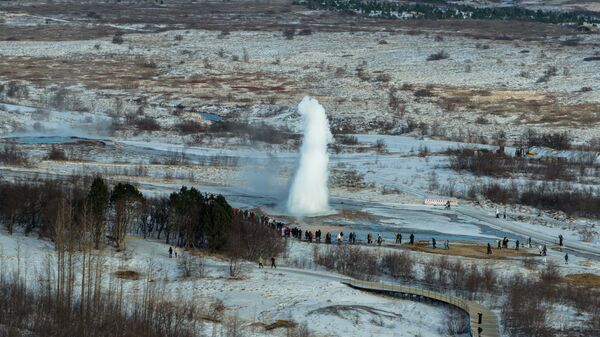
During winter, combining these activities in a Golden Circle winter tour can be particularly practical. Guided tours organise the main sightseeing stops around the available daylight where possible, while geothermal bathing can be enjoyed even after sunset. This allows travellers to experience Iceland's natural attractions without arranging separate excursions.
Expect a full day of around nine to 11 hours, depending on the itinerary, with some combinations taking longer. Although the lagoon offers a chance to relax, the overall schedule can feel quite full, leaving little time for evening activities.
Which Winter Day Trips Are Better With More Time?
Many of Iceland's natural attractions remain accessible year-round. However, some excursions require careful planning or reconsideration during the shortest winter days.
Jökulsárlón Glacier Lagoon and Diamond Beach: Although guided day trips from Reykjavík are possible, they typically take 14–16 hours. In December and January, much of the journey takes place in darkness, while snow, ice and strong winds can affect travel times. For a more comfortable experience, consider a multi-day South Coast tour that allows more time to explore the area.
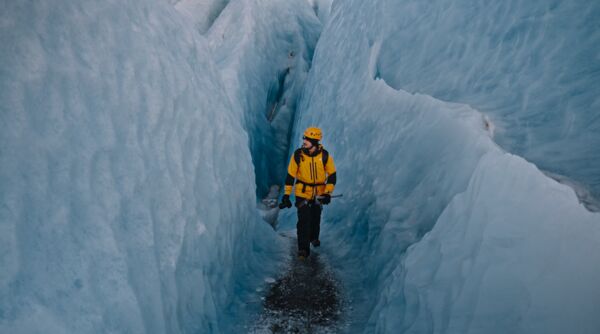
Glacier hikes and ice cave excursions: Guided glacier hikes at Sólheimajökull are possible as day trips from Reykjavík, although they still involve a long day. Ice cave experiences in the Vatnajökull region require significantly more travel time and depend on weather and glacier conditions. Staying overnight along the South Coast can make these excursions more manageable. Ultimately, a destination being accessible in winter does not mean it’s the most practical choice for a single day.
How Do Daylight and Evening Plans Affect Your Choice?
Daylight hours vary considerably throughout Iceland's winter months, affecting how much sightseeing you can fit into one day. When choosing day trips from Reykjavík, it's also worth considering whether you'll have enough time and energy for evening activities.
Choose Your Trip Based on the Month
December and January: These months have the shortest days, with Reykjavík receiving as little as four to five hours of daylight around the winter solstice. Shorter excursions, such as the Golden Circle or Lava Tunnel, can be particularly convenient.
November and February: Daylight varies considerably throughout these months. November begins with around eight hours of daylight, dropping to five by the end. Meanwhile, February increases from roughly seven to ten hours. This provides greater flexibility for longer sightseeing excursions, especially in early November and late February.
March: Daylight increases rapidly, from around 10 hours at the beginning of the month to approximately 13 hours by the end. Longer routes, such as Snæfellsnes and the South Coast, become easier to fit into daylight hours. However, snow, ice and strong winds can still affect travel conditions.
Leave Enough Energy for the Northern Lights at Night
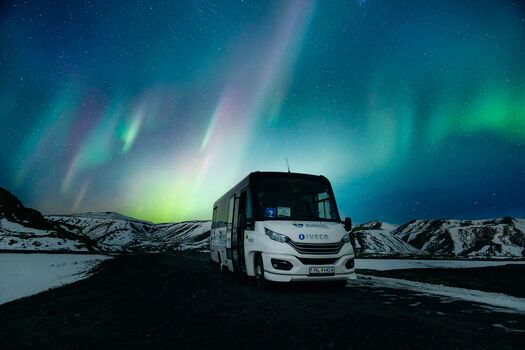
If seeing the aurora borealis is high on your wish list, consider how your daytime plans might affect your evening. Pairing a 10-hour South Coast excursion with a late-night northern lights tour can make for a very long day. For a more comfortable schedule, consider shorter outings such as the Lava Tunnel, Blue Lagoon or a direct Golden Circle tour.
One location worth knowing about is Litla Kaffistofan, a seasonal northern lights hub on Hellisheiði, approximately 20 minutes from Reykjavík. Many northern lights tours stop here when viewing conditions allow. The site features a dedicated dark viewing area and indoor facilities where guests can warm up while waiting for the aurora.
To pair geothermal relaxation with an evening hunt, a combined Sky Lagoon and northern lights experience is also excellent.
Should You Book a Guided Winter Day Trip From Reykjavík?
When deciding whether to drive yourself or take a guided tour, winter road conditions are an important factor to consider. For travellers visiting Iceland without a car in winter, the best Reykjavík winter day tours offer several practical advantages. Experienced local drivers handle navigation, while tour operators monitor road and weather conditions and adjust itineraries when necessary. They also plan sightseeing stops around the available daylight where possible, helping visitors make the most of shorter winter days.
Instead of worrying about unfamiliar roads, parking or route planning, you can focus on the scenery and learn about Iceland's landscapes. For many visitors, an organised day tour offers a comfortable way to explore beyond Reykjavík without winter driving.
How to Make the Most of a Winter Day Trip From Reykjavík
Consider the total excursion time. Check the advertised tour duration, including travel and sightseeing stops, rather than just the distance from Reykjavík. This helps you plan the rest of your day realistically.
Allow some flexibility in your schedule. Winter weather and road conditions can cause unexpected delays. Avoid scheduling other activities too close to your expected return time.
Dress for changing conditions. Wear warm, waterproof layers and sturdy footwear with good grip. Even short walks to waterfalls and viewpoints can involve icy paths and strong winds.
Plan evening activities carefully. Longer excursions, such as the South Coast or Snæfellsnes, can be tiring. Consider leaving time for dinner and rest before heading out for a northern lights tour.
Check weather and tour updates. Review forecasts from the Icelandic Meteorological Office and road conditions before departure. Keep an eye on messages from your tour operator about any schedule changes.
Book ahead. Popular winter excursions can fill up, particularly during holiday periods. Check cancellation and rescheduling policies, so you know your options if plans change.
By choosing an excursion that suits the available daylight, weather conditions and your preferred pace, you can enjoy a comfortable and well-planned winter sightseeing experience. Explore Reykjavík Excursions' winter tours from Reykjavík to find an option that fits your itinerary.


Áhugaverðar ferðir


Blogg
Fáðu innblástur! Upplýsingar og góð ráð, áhugaverðir áfangastaðir, skemmtilegar staðreyndar og margt fleira. Bloggið okkar er á ensku en það er stórskemmtilegt engu að síður!


The Silver Circle of West Iceland - Your Guide
You’ve heard of the Golden Circle, but here’s why you should head to Iceland’s western region to explore the msytical Silver Circle tour route.
Lesa bloggWhat Are the Best Day Trips From Reykjavík in Winter?
12. nóvember 2026
What Are the Best Day Trips From Reykjavík in Winter?
12. nóvember 2026
Winter offers a different perspective on Iceland's landscapes, from snow-covered geothermal fields to waterfalls framed by ice. If you're lucky, you may even catch a glimpse of the Northern Lights. While many major attractions remain accessible throughout the season, visiting them in winter requires a different approach. Shorter daylight hours, changeable weather and icy road conditions mean day trips from Reykjavík require more careful planning.
This guide compares some of the best winter excursions to help you choose an experience that suits your schedule, interests and travel preferences.
Which Winter Day Trip From Reykjavík Is Right for You?
When choosing winter day trips from Reykjavík, total excursion time and available daylight are important considerations.
- Golden Circle (6–8 hours): Best for first-time visitors.
- South Coast to Vík (10–11 hours): Best for waterfalls, glaciers and black sand beaches.
- Snæfellsnes Peninsula (11–12 hours): Best for varied landscapes and coastal scenery.
- Lava Tunnel (Approximately 3 hours): Best for shorter outings and limited daylight.
- Blue Lagoon or Reykjaböð (Approximately 4–6 hours): Best for relaxation and geothermal bathing.
- Golden Circle and geothermal lagoon (Approximately 9–11 hours): Best for combining sightseeing and relaxation.
Trips with high daylight dependence do not necessarily require the entire journey to be in daytime. Some guided tours schedule longer transfers before sunrise or after sunset. That way, visitors can make the most of the available daylight at the main attractions.
Even well-maintained main roads can be affected by snow, ice and strong winds during Iceland's winter months. A guided day trip removes the need to navigate unfamiliar winter roads, although severe weather can still cause delays or cancellations.
The Best Day Trips From Reykjavík for Winter Sightseeing
Each winter excursion offers a different experience, but travel times, daylight and weather conditions can influence which one suits your plans. Here are the top trips to take when you’re coming from the capital.
1. Golden Circle: Best for First-Time Visitors
The Golden Circle is one of the best all-round choices for first-time visitors to Iceland in winter. The route covers three major attractions: Þingvellir National Park, the Geysir geothermal area and Gullfoss waterfall. A Golden Circle winter tour offers a manageable sightseeing day, leaving time to rest before any evening activities.
Standard excursions take roughly six to eight hours. While some travelling may take place in darkness during midwinter, guided tours make the most of available daylight at the main stops. Snow covers the Þingvellir rift valley, steam rises from the Geysir geothermal springs, and ice formations frame the Gullfoss cascades.
Although main attractions remain accessible, walkways around Gullfoss and Geysir can be icy and exposed to strong winds. Wear sturdy footwear with good grip and warm, waterproof clothing.
2. South Coast: Best for Dramatic Winter Landscapes
The South Coast is one of the most popular day trips from Reykjavík throughout the year. The route offers varied scenery, passing waterfalls, black sand beaches and glaciers. Highlights include Seljalandsfoss, Skógafoss and Reynisfjara black sand beach, where low winter light and occasional snow can make the landscapes especially striking.
Between the Golden Circle or South Coast, remember that the South Coast requires significantly more travel time. Day trips to Vík typically take 10 to 11 hours, with some driving in darkness during December and January. Because of the long journey, travellers planning an evening Northern Lights tour may prefer to schedule it on a different day. Strong winds and icy conditions can also affect travel times. This excursion is best for visitors who prioritise varied scenery and are comfortable with a long day on the road.
Safety is another consideration. Walking paths around waterfalls can be icy, and access to certain areas, like the path behind Seljalandsfoss, may be restricted during winter. At Reynisfjara, always follow safety warnings and stay well back from the shoreline due to unpredictable sneaker waves.
3. Snæfellsnes Peninsula: Best for a Variety of Winter Landscapes
Often described as “Iceland in miniature,” the Snæfellsnes Peninsula features volcanic peaks, sea cliffs, lava fields and picturesque fishing villages. Landmarks such as Mount Kirkjufell and the black church at Búðir can be particularly striking against snowy surroundings. Along the coast, dark volcanic rocks contrast with winter landscapes and the Atlantic Ocean.
However, Snæfellsnes requires a substantial time commitment. Guided Snæfellsnes Peninsula Tour from Reykjavík typically last around 11 hours, with several hours spent travelling. During midwinter, expect some of the journey to take place in darkness. Strong winds, snow and icy roads can also affect travel across the peninsula, occasionally requiring changes to the itinerary.
Snæfellsnes is well-suited to photography enthusiasts and travellers who want to experience a variety of Icelandic landscapes in one day. However, its longer duration makes it less suitable for those seeking a relaxed schedule or planning an evening activity.
4. Lava Tunnel and Nearby Geothermal Landscapes: Best for Limited Daylight
For travellers interested in Iceland's geology without spending all day on the road, shorter excursions near the capital are an excellent option. These short winter trips from Reykjavík are particularly appealing when daylight is limited.
The Raufarhólshellir Lava Tunnel Tour offers an underground experience that does not depend on natural daylight. During winter, ice sculptures and icicles can form near the entrance, adding to the cave's volcanic formations. A standard guided visit takes approximately one hour, or around three hours with return transfers from Reykjavík.
With a shorter journey, there’s time for other things to do from Reykjavík in winter. Alternatively, geothermal landscapes around Hengill and Hellisheiði offer opportunities to see steam rising from the ground, although outdoor excursions remain weather-dependent.
The Lava Tunnel is particularly suitable for travellers seeking a shorter, less daylight-dependent outing. However, the cave has uneven surfaces and stairs, so sturdy footwear and reasonable mobility are important.
5. Blue Lagoon and Reykjaböð: Best for a Relaxed Winter Day
For travellers seeking a slower pace, geothermal bathing offers a relaxing alternative to longer sightseeing excursions. Soaking in warm, mineral-rich geothermal water while the surrounding air is cold is one of the most soothing winter activities near Reykjavík.
The Blue Lagoon, located on the Reykjanes Peninsula, is approximately 45 minutes from Reykjavík. Visitors can book admission and return transfers, making it relatively easy to reach without a rental car.
Alternatively, Reykjaböð Hot Springs in Hveragerði offers geothermal bathing at the entrance to Reykjadalur Valley, around 35–40 minutes from the capital. Travellers can book Reykjaböð admission with return transfers from Reykjavík, with different bathing packages available.
Among the shorter day trips from Reykjavík, both destinations are particularly suitable for travellers wanting a break between longer sightseeing excursions. However, winter weather can affect travel arrangements, while volcanic activity may occasionally disrupt access to the Blue Lagoon.
6. Golden Circle and a Geothermal Lagoon: Best for Combining Experiences
If you have limited time in Iceland, combining sightseeing with a geothermal soak is an efficient way to experience both. These itineraries typically include Þingvellir National Park, Geysir and Gullfoss, followed by a geothermal bathing destination like Sky Lagoon or Laugarás Lagoon.
During winter, combining these activities in a Golden Circle winter tour can be particularly practical. Guided tours organise the main sightseeing stops around the available daylight where possible, while geothermal bathing can be enjoyed even after sunset. This allows travellers to experience Iceland's natural attractions without arranging separate excursions.
Expect a full day of around nine to 11 hours, depending on the itinerary, with some combinations taking longer. Although the lagoon offers a chance to relax, the overall schedule can feel quite full, leaving little time for evening activities.
Which Winter Day Trips Are Better With More Time?
Many of Iceland's natural attractions remain accessible year-round. However, some excursions require careful planning or reconsideration during the shortest winter days.
Jökulsárlón Glacier Lagoon and Diamond Beach: Although guided day trips from Reykjavík are possible, they typically take 14–16 hours. In December and January, much of the journey takes place in darkness, while snow, ice and strong winds can affect travel times. For a more comfortable experience, consider a multi-day South Coast tour that allows more time to explore the area.
Glacier hikes and ice cave excursions: Guided glacier hikes at Sólheimajökull are possible as day trips from Reykjavík, although they still involve a long day. Ice cave experiences in the Vatnajökull region require significantly more travel time and depend on weather and glacier conditions. Staying overnight along the South Coast can make these excursions more manageable. Ultimately, a destination being accessible in winter does not mean it’s the most practical choice for a single day.
How Do Daylight and Evening Plans Affect Your Choice?
Daylight hours vary considerably throughout Iceland's winter months, affecting how much sightseeing you can fit into one day. When choosing day trips from Reykjavík, it's also worth considering whether you'll have enough time and energy for evening activities.
Choose Your Trip Based on the Month
December and January: These months have the shortest days, with Reykjavík receiving as little as four to five hours of daylight around the winter solstice. Shorter excursions, such as the Golden Circle or Lava Tunnel, can be particularly convenient.
November and February: Daylight varies considerably throughout these months. November begins with around eight hours of daylight, dropping to five by the end. Meanwhile, February increases from roughly seven to ten hours. This provides greater flexibility for longer sightseeing excursions, especially in early November and late February.
March: Daylight increases rapidly, from around 10 hours at the beginning of the month to approximately 13 hours by the end. Longer routes, such as Snæfellsnes and the South Coast, become easier to fit into daylight hours. However, snow, ice and strong winds can still affect travel conditions.
Leave Enough Energy for the Northern Lights at Night
If seeing the aurora borealis is high on your wish list, consider how your daytime plans might affect your evening. Pairing a 10-hour South Coast excursion with a late-night northern lights tour can make for a very long day. For a more comfortable schedule, consider shorter outings such as the Lava Tunnel, Blue Lagoon or a direct Golden Circle tour.
One location worth knowing about is Litla Kaffistofan, a seasonal northern lights hub on Hellisheiði, approximately 20 minutes from Reykjavík. Many northern lights tours stop here when viewing conditions allow. The site features a dedicated dark viewing area and indoor facilities where guests can warm up while waiting for the aurora.
To pair geothermal relaxation with an evening hunt, a combined Sky Lagoon and northern lights experience is also excellent.
Should You Book a Guided Winter Day Trip From Reykjavík?
When deciding whether to drive yourself or take a guided tour, winter road conditions are an important factor to consider. For travellers visiting Iceland without a car in winter, the best Reykjavík winter day tours offer several practical advantages. Experienced local drivers handle navigation, while tour operators monitor road and weather conditions and adjust itineraries when necessary. They also plan sightseeing stops around the available daylight where possible, helping visitors make the most of shorter winter days.
Instead of worrying about unfamiliar roads, parking or route planning, you can focus on the scenery and learn about Iceland's landscapes. For many visitors, an organised day tour offers a comfortable way to explore beyond Reykjavík without winter driving.
How to Make the Most of a Winter Day Trip From Reykjavík
Consider the total excursion time. Check the advertised tour duration, including travel and sightseeing stops, rather than just the distance from Reykjavík. This helps you plan the rest of your day realistically.
Allow some flexibility in your schedule. Winter weather and road conditions can cause unexpected delays. Avoid scheduling other activities too close to your expected return time.
Dress for changing conditions. Wear warm, waterproof layers and sturdy footwear with good grip. Even short walks to waterfalls and viewpoints can involve icy paths and strong winds.
Plan evening activities carefully. Longer excursions, such as the South Coast or Snæfellsnes, can be tiring. Consider leaving time for dinner and rest before heading out for a northern lights tour.
Check weather and tour updates. Review forecasts from the Icelandic Meteorological Office and road conditions before departure. Keep an eye on messages from your tour operator about any schedule changes.
Book ahead. Popular winter excursions can fill up, particularly during holiday periods. Check cancellation and rescheduling policies, so you know your options if plans change.
By choosing an excursion that suits the available daylight, weather conditions and your preferred pace, you can enjoy a comfortable and well-planned winter sightseeing experience. Explore Reykjavík Excursions' winter tours from Reykjavík to find an option that fits your itinerary.
Áhugaverðar ferðir
Blogg
Fáðu innblástur! Upplýsingar og góð ráð, áhugaverðir áfangastaðir, skemmtilegar staðreyndar og margt fleira. Bloggið okkar er á ensku en það er stórskemmtilegt engu að síður!
The Silver Circle of West Iceland - Your Guide
You’ve heard of the Golden Circle, but here’s why you should head to Iceland’s western region to explore the msytical Silver Circle tour route.
Lesa blogg