

The Authentic Icelandic Geothermal Pool Experience
July 28, 2026
The Authentic Icelandic Geothermal Pool Experience
July 28, 2026
From blissfully long summer days to aurora-lit winter nights, Iceland geothermal pools are part of everyday life on the island. The combination of crisp glacial air and warm water makes outdoor bathing appealing in every season. But more than just a place to swim, municipal swimming pools sit at the very centre of everyday society, serving as community living rooms where people of all ages exercise, relax, discuss local news, and catch up with friends. For travellers seeking a genuine glimpse of local life, a trip to a local pool is one of the best places to begin.
Why Geothermal Pools Are Part of Everyday Life in Iceland
Iceland’s volcanic geology grants it an abundant supply of natural geothermal energy and hot water. As geothermal heating systems expanded during the 20th century, communities were able to operate pools at a relatively affordable cost. Today, public bathing is an ordinary part of daily life. Although not every facility is filled with naturally heated geothermal water, many towns and smaller communities have a public swimming pool in Iceland.
Hot springs in Iceland are an integral part of the country's bathing culture, and local pools play an especially important social role, often functioning as the central meeting point in smaller towns with few other communal gathering spaces.
The Swimming Pool as Iceland’s Community Living Room
For a glimpse of Icelandic society, look no further than the hot tubs. Known in Icelandic as heitir pottar, these warm communal spaces often serve as conversational crossroads.
Regular visitors frequently recognise one another at neighbourhood pools. It is entirely normal for people to discuss the weather, work, local news, and community matters while they soak. The atmosphere is informal and relatively egalitarian, with many of the usual signs of status and profession left behind. People from different backgrounds may share the same pool and join the same conversation. Visitors should not assume that everyone wants to chat, but friendly exchanges are common.
Municipal swimming pools are also among the few social spaces regularly shared by different generations. On any given day, young children might be playing in the shallow pools while adults swim laps, workers unwind in the hot tubs after a long day, and older residents use the warm water for gentle movement, exercise, and socialising.
Why Winter Is Still Swimming Season
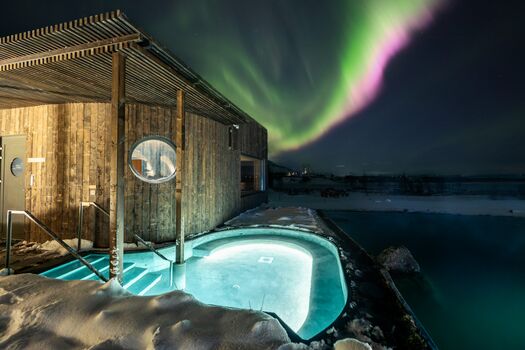
Pools continue to operate throughout the colder months. Many locals even argue that winter is actually the best time to enjoy Iceland's geothermal pools. The sharp contrast between crisp, cold air and the enveloping hot water is a major part of the appeal. Darkness, rain, or light snow does not automatically discourage regular swimmers. In fact, soaking under a possibly starry sky only adds to the magic.
During winter, outdoor walkways between the changing rooms and swimming areas can be cold or slippery, so visitors should move carefully. Severe storms may occasionally lead to temporary closures. It is always best to check the local weather forecast and the pool’s opening status before setting out.
What to Expect at a Local Swimming Pool in Iceland
For first-time visitors, entering local Iceland geothermal pools may feel slightly unfamiliar. However, the process is straightforward, and the same routine is followed by everyone.
The Mandatory Pre-Swim Shower
The most important part of Icelandic pool etiquette is the mandatory pre-swim shower. Outdoor shoes must first be removed and left in the designated area. Inside the changing room, visitors must shower thoroughly without their swimsuit before entering the pool. Soap is normally provided in the communal showers, and signs indicate the areas that must be washed carefully. Showering helps pools maintain water quality without relying on the higher chlorine levels visitors may encounter elsewhere.
Mobile phones and photography should never be used in changing or shower areas. Private shower cubicles are available at some larger or modernised facilities, but this varies from pool to pool, so travellers who need more privacy should check ahead. After showering, visitors put on their swimwear before entering the pool area. Locker systems vary, and towels may be available to hire.
Choosing a Hot Tub
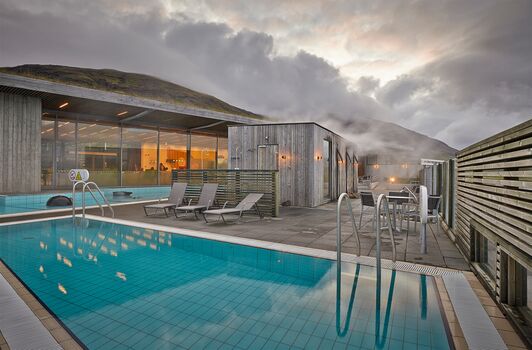
Many swimming facilities have several hot tubs alongside the main pool, often set at different temperatures. Rather than a rigid ritual, visitors can navigate the pools based on personal preference.
A typical visit might begin with a few lengths in the cooler swimming pool, followed by time in a moderately warm tub. Some bathers then try a hotter tub for a few minutes or use the steam room or cold plunge, where available. Returning to the warm water is a relaxing way to finish. Always follow the posted guidance and leave the hottest tubs if you begin to feel uncomfortable.
Where Visitors Can Experience a Local Icelandic Pool
Travellers can find community swimming pools in towns and villages across Iceland. Best of all, many are easy to access, reasonably priced, and open throughout the year.
Reykjavík’s Neighbourhood Pools
Visitors staying in the capital do not have to travel far to experience everyday Icelandic pool culture.
- Sundhöllin: Located a short walk from Hallgrímskirkja, Sundhöllin is one of Reykjavík’s oldest and best-known public pools. Designed by architect Guðjón Samúelsson, it opened in 1937 and retains its historic indoor swimming hall. Modern additions include outdoor swimming areas, hot tubs, a cold tub, saunas, and steam facilities.
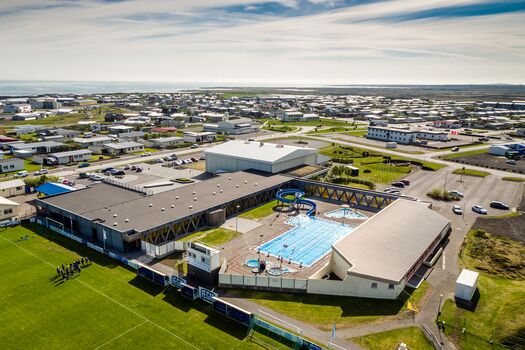
- Laugardalslaug: Laugardalslaug in the Laugardalur district is the largest swimming pool complex in Iceland. Its facilities include indoor and outdoor swimming pools, hot tubs, a steam room, a cold tub, children’s pools, and waterslides. The range of facilities makes it popular with swimmers, families, and visitors of different ages.
- Vesturbæjarlaug: Situated in the western part of the city, this smaller neighbourhood pool is famous for its cosy community vibe. It has an outdoor swimming pool, children’s facilities, several hot tubs, a cold tub, a steam room, and saunas.
Public Pools Around Iceland
Beyond the capital, swimming pools remain a constant. Travellers following the Ring Road, exploring the Westfjords, or visiting rural areas will often find a municipal pool along the way. These facilities are worth a visit for a warm soak after sightseeing and for a glimpse of everyday community life.
Local Pools, Natural Hot Pots and Luxury Lagoons: What Is the Difference?
Travellers searching for Iceland geothermal pools will encounter several very different bathing experiences. When picking an adventure and hot spring experience, it helps to understand how each of these facilities functions.
Local Swimming Pools
Municipal swimming pools in Iceland are affordable, social, and practical places designed around exercise, relaxation, and daily routines rather than sightseeing. For visitors, they offer one of the clearest windows into everyday Icelandic life.
Natural Hot Pots
A natural geothermal pool or rustic hot pot forms within the landscape rather than as part of a purpose-built facility. Water temperatures can vary with the weather, water flow, and geothermal activity. Some are located on private land and require explicit permission or a small honesty-box payment.
Treat these spaces with care. Certain environmentally sensitive pools should not be entered, while others may be unsafe because of unstable ground or dangerously hot water. Lifeguards are not present, so visitors should check access rules and current conditions before bathing.
Geothermal Spas and Lagoons
Geothermal spas in Iceland are purpose-built visitor experiences centred on relaxation and comfort. They feature premium changing facilities, restaurants, drinks, or spa treatments set against thoughtfully designed architectural backdrops. Most require booking and a timed entry slot.
Admission prices are generally higher than at municipal pools, but these facilities offer a more polished and leisurely bathing experience. Rather than replacing local pool culture, they represent a more visitor-focused expression of Iceland’s long relationship with geothermal water.
Geothermal Bathing Experiences Beyond the Local Pool
Travellers who want to complement a neighbourhood pool visit with a more scenic or spa-focused experience will find options across Iceland. Several can also be reached through organised hot springs and pools tours, which simplify transport from Reykjavík.
- Sky Lagoon: A luxurious coastal spa near Reykjavík, Sky Lagoon showcases a signature multi-step wellness ritual based on Icelandic traditions.
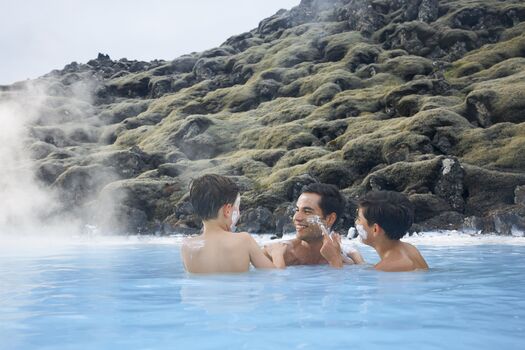
- Blue Lagoon: Iceland’s world-famous geothermal spa is located in a striking lava field on the Reykjanes Peninsula. Many Blue Lagoon tours make it convenient to visit while travelling between Reykjavík and Keflavík Airport.
- Laugarás Lagoon: A modern two-level sanctuary, it features a cascading waterfall, grotto, and views of the Hvítá River. A Golden Circle and Laugarás Lagoon tour are a highlight for first-time visitors.
- Secret Lagoon (Gamla Laugin): Located in Flúðir, this historic bathing pool is one of the oldest geothermal pools in Iceland.
- Reykjaböð Hot Springs: A hot spring and wellness retreat in Hveragerði, Reykjaböð combines traditional outdoor bathing with contemporary spa facilities.
- Landmannalaugar Hot Springs: This natural Highland bathing area requires more careful planning because access depends on seasonal roads and weather conditions.
- Vök Baths: These geothermal pools extend into Lake Urriðavatn in East Iceland, surrounded by open lake and mountain views.
- Drangsnes Hot Pots: In the Westfjords, these shoreline hot tubs are a popular, scenic spot looking across Steingrímsfjörður.
- Hvammsvík Hot Springs: Set in the beautiful fjord of Hvalfjörður, Hvammsvík has eight shoreline pools, some changing in depth and temperature with the tides.
Tips for Visiting Geothermal Spas in Iceland
Whether visiting a premium lagoon or neighbourhood pool, some preparation can make a visit to Iceland geothermal pools a bit smoother.
- Check opening hours: Municipal pools and rural bathing facilities may adjust their schedules for public holidays, maintenance, or seasonal conditions.
- Bring the essentials: Pack swimwear and a towel to avoid rental fees where these items are available.
- Protect your hair: Mineral-rich water at some geothermal spas can leave hair feeling dry. Tie back long hair and follow any venue-specific advice, such as applying conditioner before entering.
- Stay hydrated: Drink water and take regular breaks from the hottest tubs, steam rooms, and saunas.
- Supervise children: Follow the facility’s age restrictions and keep children within reach around pools and wet surfaces.
- Leave glass behind: Never bring glass containers onto pool decks or near the water.
- Book ahead: Popular geothermal lagoons often require advance reservations, particularly during busy travel periods.
- Respect closures: Never enter fenced-off, unmarked, or closed geothermal features. Water can be dangerously hot, and the surrounding ground may be unstable.
FAQs
Are there free geothermal pools in Iceland?
Most municipal swimming pools charge a modest admission fee, but some natural hot pots in the countryside are free to access. Visitors should check whether the site is open to the public, located on private land, or subject to seasonal restrictions.
Are local swimming pools in Iceland open during winter?
Yes, swimming and hot-tub bathing remain popular throughout winter, and most municipal pools operate year-round. Severe weather, maintenance, or local conditions may occasionally lead to temporary closures at Iceland geothermal pools.
Can tourists use public swimming pools in Iceland?
Yes, visitors are welcome at public swimming pools across Iceland. Entry tickets are usually purchased at reception, and all guests are expected to follow local hygiene rules and pool etiquette.
Are Icelandic swimming pools suitable for children?
Yes, many larger facilities often include shallow play areas, warmer children’s pools, waterslides, and flotation aids. Facilities vary, so families should check age rules and available amenities in advance.
Which Reykjavík pool is best for first-time visitors?
Laugardalslaug is a practical choice for first-time visitors because it has a wide range of swimming, bathing, and family facilities. Sundhöllin is a convenient alternative for those who prefer a more central location and a historic architectural setting.
Which is better, Sky Lagoon or Blue Lagoon?
When weighing Sky Lagoon vs. Blue Lagoon, the right choice depends entirely on your itinerary and travel style. Blue Lagoon is a bucket-list volcanic experience near the airport, while Sky Lagoon offers a quiet, adults-only infinity edge near Reykjavík.


Related Blog Articles
Inspired? Read more fun and informative articles on this subject.


Snaefellsnes Peninsula: Things to See and Do
The Snaefellsnes Peninsula, often described as Iceland in miniature, offers a stunning array of landscapes, including volcanoes, glaciers, black sand beaches, and charming villages. This guide explores day and overnight tours, the best self-drive routes, and recommendations for places to stay and eat.
The Authentic Icelandic Geothermal Pool Experience
July 28, 2026
The Authentic Icelandic Geothermal Pool Experience
July 28, 2026
From blissfully long summer days to aurora-lit winter nights, Iceland geothermal pools are part of everyday life on the island. The combination of crisp glacial air and warm water makes outdoor bathing appealing in every season. But more than just a place to swim, municipal swimming pools sit at the very centre of everyday society, serving as community living rooms where people of all ages exercise, relax, discuss local news, and catch up with friends. For travellers seeking a genuine glimpse of local life, a trip to a local pool is one of the best places to begin.
Why Geothermal Pools Are Part of Everyday Life in Iceland
Iceland’s volcanic geology grants it an abundant supply of natural geothermal energy and hot water. As geothermal heating systems expanded during the 20th century, communities were able to operate pools at a relatively affordable cost. Today, public bathing is an ordinary part of daily life. Although not every facility is filled with naturally heated geothermal water, many towns and smaller communities have a public swimming pool in Iceland.
Hot springs in Iceland are an integral part of the country's bathing culture, and local pools play an especially important social role, often functioning as the central meeting point in smaller towns with few other communal gathering spaces.
The Swimming Pool as Iceland’s Community Living Room
For a glimpse of Icelandic society, look no further than the hot tubs. Known in Icelandic as heitir pottar, these warm communal spaces often serve as conversational crossroads.
Regular visitors frequently recognise one another at neighbourhood pools. It is entirely normal for people to discuss the weather, work, local news, and community matters while they soak. The atmosphere is informal and relatively egalitarian, with many of the usual signs of status and profession left behind. People from different backgrounds may share the same pool and join the same conversation. Visitors should not assume that everyone wants to chat, but friendly exchanges are common.
Municipal swimming pools are also among the few social spaces regularly shared by different generations. On any given day, young children might be playing in the shallow pools while adults swim laps, workers unwind in the hot tubs after a long day, and older residents use the warm water for gentle movement, exercise, and socialising.
Why Winter Is Still Swimming Season
Pools continue to operate throughout the colder months. Many locals even argue that winter is actually the best time to enjoy Iceland's geothermal pools. The sharp contrast between crisp, cold air and the enveloping hot water is a major part of the appeal. Darkness, rain, or light snow does not automatically discourage regular swimmers. In fact, soaking under a possibly starry sky only adds to the magic.
During winter, outdoor walkways between the changing rooms and swimming areas can be cold or slippery, so visitors should move carefully. Severe storms may occasionally lead to temporary closures. It is always best to check the local weather forecast and the pool’s opening status before setting out.
What to Expect at a Local Swimming Pool in Iceland
For first-time visitors, entering local Iceland geothermal pools may feel slightly unfamiliar. However, the process is straightforward, and the same routine is followed by everyone.
The Mandatory Pre-Swim Shower
The most important part of Icelandic pool etiquette is the mandatory pre-swim shower. Outdoor shoes must first be removed and left in the designated area. Inside the changing room, visitors must shower thoroughly without their swimsuit before entering the pool. Soap is normally provided in the communal showers, and signs indicate the areas that must be washed carefully. Showering helps pools maintain water quality without relying on the higher chlorine levels visitors may encounter elsewhere.
Mobile phones and photography should never be used in changing or shower areas. Private shower cubicles are available at some larger or modernised facilities, but this varies from pool to pool, so travellers who need more privacy should check ahead. After showering, visitors put on their swimwear before entering the pool area. Locker systems vary, and towels may be available to hire.
Choosing a Hot Tub
Many swimming facilities have several hot tubs alongside the main pool, often set at different temperatures. Rather than a rigid ritual, visitors can navigate the pools based on personal preference.
A typical visit might begin with a few lengths in the cooler swimming pool, followed by time in a moderately warm tub. Some bathers then try a hotter tub for a few minutes or use the steam room or cold plunge, where available. Returning to the warm water is a relaxing way to finish. Always follow the posted guidance and leave the hottest tubs if you begin to feel uncomfortable.
Where Visitors Can Experience a Local Icelandic Pool
Travellers can find community swimming pools in towns and villages across Iceland. Best of all, many are easy to access, reasonably priced, and open throughout the year.
Reykjavík’s Neighbourhood Pools
Visitors staying in the capital do not have to travel far to experience everyday Icelandic pool culture.
- Sundhöllin: Located a short walk from Hallgrímskirkja, Sundhöllin is one of Reykjavík’s oldest and best-known public pools. Designed by architect Guðjón Samúelsson, it opened in 1937 and retains its historic indoor swimming hall. Modern additions include outdoor swimming areas, hot tubs, a cold tub, saunas, and steam facilities.
- Laugardalslaug: Laugardalslaug in the Laugardalur district is the largest swimming pool complex in Iceland. Its facilities include indoor and outdoor swimming pools, hot tubs, a steam room, a cold tub, children’s pools, and waterslides. The range of facilities makes it popular with swimmers, families, and visitors of different ages.
- Vesturbæjarlaug: Situated in the western part of the city, this smaller neighbourhood pool is famous for its cosy community vibe. It has an outdoor swimming pool, children’s facilities, several hot tubs, a cold tub, a steam room, and saunas.
Public Pools Around Iceland
Beyond the capital, swimming pools remain a constant. Travellers following the Ring Road, exploring the Westfjords, or visiting rural areas will often find a municipal pool along the way. These facilities are worth a visit for a warm soak after sightseeing and for a glimpse of everyday community life.
Local Pools, Natural Hot Pots and Luxury Lagoons: What Is the Difference?
Travellers searching for Iceland geothermal pools will encounter several very different bathing experiences. When picking an adventure and hot spring experience, it helps to understand how each of these facilities functions.
Local Swimming Pools
Municipal swimming pools in Iceland are affordable, social, and practical places designed around exercise, relaxation, and daily routines rather than sightseeing. For visitors, they offer one of the clearest windows into everyday Icelandic life.
Natural Hot Pots
A natural geothermal pool or rustic hot pot forms within the landscape rather than as part of a purpose-built facility. Water temperatures can vary with the weather, water flow, and geothermal activity. Some are located on private land and require explicit permission or a small honesty-box payment.
Treat these spaces with care. Certain environmentally sensitive pools should not be entered, while others may be unsafe because of unstable ground or dangerously hot water. Lifeguards are not present, so visitors should check access rules and current conditions before bathing.
Geothermal Spas and Lagoons
Geothermal spas in Iceland are purpose-built visitor experiences centred on relaxation and comfort. They feature premium changing facilities, restaurants, drinks, or spa treatments set against thoughtfully designed architectural backdrops. Most require booking and a timed entry slot.
Admission prices are generally higher than at municipal pools, but these facilities offer a more polished and leisurely bathing experience. Rather than replacing local pool culture, they represent a more visitor-focused expression of Iceland’s long relationship with geothermal water.
Geothermal Bathing Experiences Beyond the Local Pool
Travellers who want to complement a neighbourhood pool visit with a more scenic or spa-focused experience will find options across Iceland. Several can also be reached through organised hot springs and pools tours, which simplify transport from Reykjavík.
- Sky Lagoon: A luxurious coastal spa near Reykjavík, Sky Lagoon showcases a signature multi-step wellness ritual based on Icelandic traditions.
- Blue Lagoon: Iceland’s world-famous geothermal spa is located in a striking lava field on the Reykjanes Peninsula. Many Blue Lagoon tours make it convenient to visit while travelling between Reykjavík and Keflavík Airport.
- Laugarás Lagoon: A modern two-level sanctuary, it features a cascading waterfall, grotto, and views of the Hvítá River. A Golden Circle and Laugarás Lagoon tour are a highlight for first-time visitors.
- Secret Lagoon (Gamla Laugin): Located in Flúðir, this historic bathing pool is one of the oldest geothermal pools in Iceland.
- Reykjaböð Hot Springs: A hot spring and wellness retreat in Hveragerði, Reykjaböð combines traditional outdoor bathing with contemporary spa facilities.
- Landmannalaugar Hot Springs: This natural Highland bathing area requires more careful planning because access depends on seasonal roads and weather conditions.
- Vök Baths: These geothermal pools extend into Lake Urriðavatn in East Iceland, surrounded by open lake and mountain views.
- Drangsnes Hot Pots: In the Westfjords, these shoreline hot tubs are a popular, scenic spot looking across Steingrímsfjörður.
- Hvammsvík Hot Springs: Set in the beautiful fjord of Hvalfjörður, Hvammsvík has eight shoreline pools, some changing in depth and temperature with the tides.
Tips for Visiting Geothermal Spas in Iceland
Whether visiting a premium lagoon or neighbourhood pool, some preparation can make a visit to Iceland geothermal pools a bit smoother.
- Check opening hours: Municipal pools and rural bathing facilities may adjust their schedules for public holidays, maintenance, or seasonal conditions.
- Bring the essentials: Pack swimwear and a towel to avoid rental fees where these items are available.
- Protect your hair: Mineral-rich water at some geothermal spas can leave hair feeling dry. Tie back long hair and follow any venue-specific advice, such as applying conditioner before entering.
- Stay hydrated: Drink water and take regular breaks from the hottest tubs, steam rooms, and saunas.
- Supervise children: Follow the facility’s age restrictions and keep children within reach around pools and wet surfaces.
- Leave glass behind: Never bring glass containers onto pool decks or near the water.
- Book ahead: Popular geothermal lagoons often require advance reservations, particularly during busy travel periods.
- Respect closures: Never enter fenced-off, unmarked, or closed geothermal features. Water can be dangerously hot, and the surrounding ground may be unstable.
FAQs
Are there free geothermal pools in Iceland?
Most municipal swimming pools charge a modest admission fee, but some natural hot pots in the countryside are free to access. Visitors should check whether the site is open to the public, located on private land, or subject to seasonal restrictions.
Are local swimming pools in Iceland open during winter?
Yes, swimming and hot-tub bathing remain popular throughout winter, and most municipal pools operate year-round. Severe weather, maintenance, or local conditions may occasionally lead to temporary closures at Iceland geothermal pools.
Can tourists use public swimming pools in Iceland?
Yes, visitors are welcome at public swimming pools across Iceland. Entry tickets are usually purchased at reception, and all guests are expected to follow local hygiene rules and pool etiquette.
Are Icelandic swimming pools suitable for children?
Yes, many larger facilities often include shallow play areas, warmer children’s pools, waterslides, and flotation aids. Facilities vary, so families should check age rules and available amenities in advance.
Which Reykjavík pool is best for first-time visitors?
Laugardalslaug is a practical choice for first-time visitors because it has a wide range of swimming, bathing, and family facilities. Sundhöllin is a convenient alternative for those who prefer a more central location and a historic architectural setting.
Which is better, Sky Lagoon or Blue Lagoon?
When weighing Sky Lagoon vs. Blue Lagoon, the right choice depends entirely on your itinerary and travel style. Blue Lagoon is a bucket-list volcanic experience near the airport, while Sky Lagoon offers a quiet, adults-only infinity edge near Reykjavík.
Related Blog Articles
Inspired? Read more fun and informative articles on this subject.
Snaefellsnes Peninsula: Things to See and Do
The Snaefellsnes Peninsula, often described as Iceland in miniature, offers a stunning array of landscapes, including volcanoes, glaciers, black sand beaches, and charming villages. This guide explores day and overnight tours, the best self-drive routes, and recommendations for places to stay and eat.