

Hot Springs in Iceland: A Complete Geothermal Bathing Guide
9. ágúst 2022
Hot Springs in Iceland: A Complete Geothermal Bathing Guide
9. ágúst 2022
For a quintessential Icelandic activity, travellers can rarely go wrong with a geothermal soak. Geothermal bathing is one of Iceland’s most popular experiences, both for visitors and locals. Across the country, you’ll find everything from natural hot rivers and neighbourhood swimming pools to full-service geothermal lagoons with changing facilities, restaurants, and organised transport. So, it is little surprise that outdoor bathing is such a cherished part of life in Iceland. From remote thermal rivers to neighbourhood swimming pools, geothermal water shapes how Icelanders relax, socialise, and spend time outdoors.
Luckily, many popular bathing spots are easy to reach from Reykjavík without hiring a car. A guided tour or transfer with Reykjavík Excursions is a convenient way to add a geothermal soak to your itinerary. Before you take a dip, however, it helps to know what to expect. Here is everything you need to know, from safety and logistics to the best hot springs and geothermal pools to visit.
Why Does Iceland Have So Many Hot Springs?
Iceland’s location plays a major role in its abundance of geothermal activity. The island sits on the Mid-Atlantic Ridge, where the North American and Eurasian tectonic plates are slowly pulling apart. This movement helps drive Iceland’s volcanic and geothermal activity, generating intense heat beneath the surface.
As rainwater and groundwater seep down through cracks in the crust, they’re heated by hot rock and geothermal systems underground. The heated water can then rise back towards the surface, appearing as hot springs, steam vents, mud pools, and other geothermal features.
Throughout the country, geothermal energy is also harnessed to heat homes, supply hot water, and warm swimming pools. Ultimately, whether you’re soaking in a natural hot spring in Iceland or a man-made pool, it’s made possible by the island’s geology.
Can You Bathe in Iceland’s Hot Springs?
Yes, you can bathe in many hot springs in Iceland, but not all of them. Visitors should only enter designated areas where bathing is known to be permitted and safe. While some natural springs and warm rivers maintain comfortable bathing temperatures, others can be dangerously hot. At unmanaged natural sites, temperatures can fluctuate with rainfall, weather conditions, and unseen shifts within the geothermal system.
This is why it is important to distinguish between a bathing hot spring and a protected geothermal area. Fenced geothermal features, such as those around Geysir, contain boiling water and fragile terrain. These sites are strictly for viewing and must never be entered. By contrast, commercial lagoons, geothermal spas, and municipal swimming pools offer a more controlled swimming experience. Here, water temperatures are monitored and regulated regularly.
Are Hot Springs in Iceland Free?
For travellers planning an Iceland itinerary, cost can be an important factor when choosing where to bathe.
Prices depend largely on the type of site you visit. Some natural bathing spots on public land do not charge an entry fee. However, free access usually means few or no facilities such as changing rooms, toilets, showers, or staff. Alternatively, developed geothermal spas charge admission and often recommend booking in advance, especially at popular times.
It is also wise to check current local information before setting off. Some informal sites have introduced charges for parking or access. Fees typically go toward helping maintain the trails and protect the surrounding environment.
Geothermal Spas and Hot Springs in Iceland Worth Visiting
For greater comfort and reliable amenities, Iceland's commercial geothermal spas are a practical choice. These bathing spots combine warm geothermal water with changing rooms, showers, food and drink, and scenic natural settings. Many are also easy to include in a day trip or wider sightseeing itinerary.
Reykjaböð Hot Springs
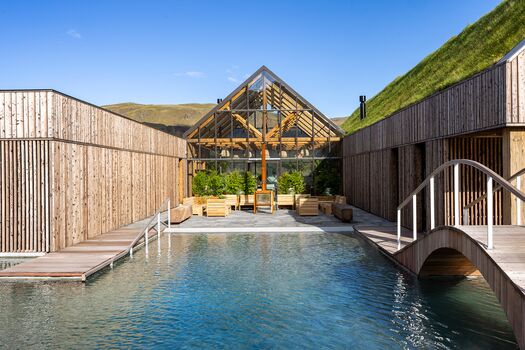
Opened in September 2026, Reykjaböð is a modern geothermal lagoon at the mouth of Reykjadalur Valley in Hveragerði. Its 900-square-metre lagoon is kept at around 37–40°C (98–104°F). Cold plunge pools, dry saunas, a Kneipp pool, and comfortable changing facilities add to the experience.
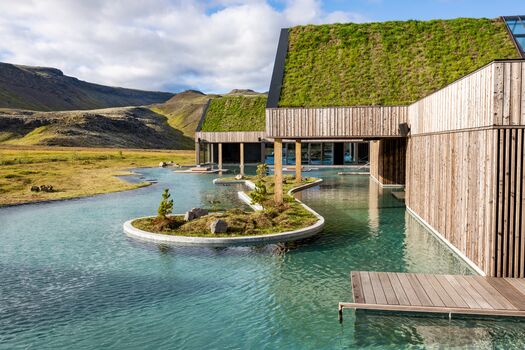
Return transport is available from Reykjavík, and a visit can also be combined with a South Coast day tour through Reykjavík Excursions. This makes Reykjaböð a convenient option for travellers who want to pair geothermal bathing with some of Iceland’s best-known attractions.
Sky Lagoon
Located just a short drive from central Reykjavík, Sky Lagoon offers an oceanfront setting overlooking the North Atlantic. Its standout feature is a 70-metre (230-foot) infinity edge that appears to merge with the sea. Guests can also experience the seven-step Skjól Ritual, which moves from the warm lagoon and cold plunge into a sauna and other hot-and-cold wellness experiences.
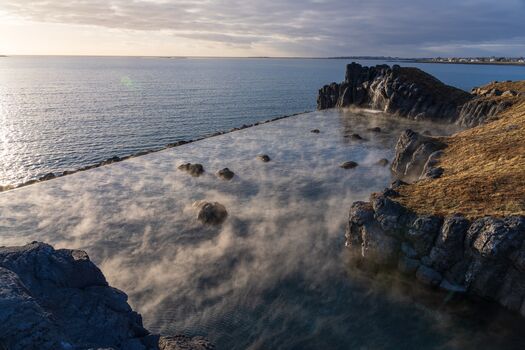
For city-based travellers, a Sky Lagoon pass with transfers is a convenient way to enjoy geothermal bathing without the drive.
Hvammsvík Hot Springs
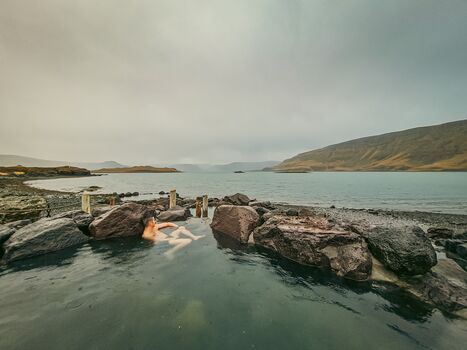
Hvammsvík Hot Springs sits on the shores of Hvalfjörður, around 45 minutes from Reykjavík. It’s known for its eight natural geothermal pools, which vary in size and temperature and extend towards the Atlantic. Some of the pools are influenced by the tides, causing their water levels and temperatures to shift throughout the day.
Blue Lagoon
Blue Lagoon is Iceland’s best-known geothermal spa. Set among lava fields on the Reykjanes Peninsula, it’s famous for milky-blue geothermal seawater rich in silica, algae, and minerals. Facilities include silica mud masks, a sauna, steam room, and in-water amenities.
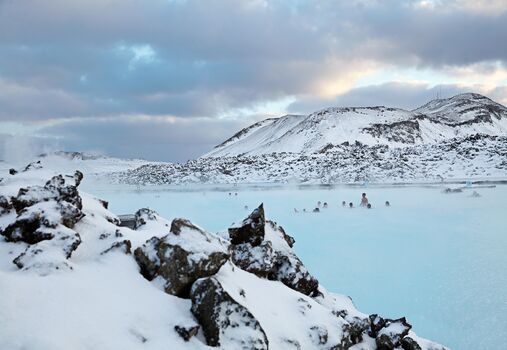
Positioned conveniently between Reykjavík and Keflavík International Airport, the lagoon is easy to include at the beginning or end of a trip. Because of its popularity, visitors should secure Blue Lagoon tours well in advance.
Laugarvatn Fontana
Reopened in August 2026 after extensive renovations, Laugarvatn Fontana sits on the shores of Lake Laugarvatn along the Golden Circle route. The facility features warm outdoor baths, a panoramic sauna, and a geothermal steam room built directly over a natural hot spring. Guests can also step into the lake for a refreshing cold dip.
 Laugarvatn Fontana. Photo: © Fontana
Another highlight is the geothermal bakery experience, where traditional Icelandic rye bread is baked underground using natural heat. Visitors can actually watch the bread being unearthed, then sample it on site.
Secret Lagoon
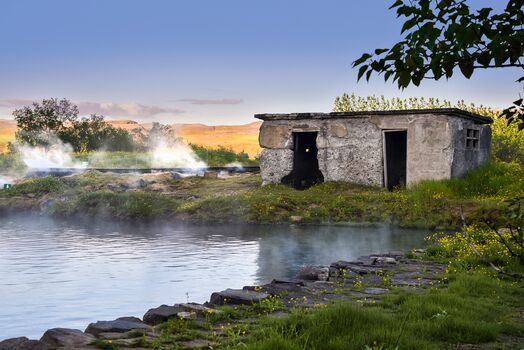
In the village of Flúðir, the Secret Lagoon is a historic geothermal bathing pool dating back to 1891. Rather than offering a luxury spa atmosphere, it has a simpler, more traditional feel. Small geysers and steaming geothermal features surround the pool. Its location makes it an easy addition to a Golden Circle day tour, particularly for a more low-key bathing experience.
Krauma Geothermal Baths and Spa
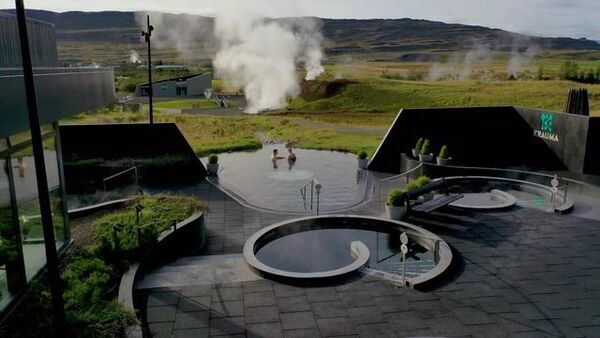
Located in West Iceland, Krauma draws its hot water from Deildartunguhver, the highest-flow hot spring in Europe. The spring produces around 180 litres (47.5 gallons) of near-boiling water per second at approximately 100°C (212°F). To bring the water down to a comfortable bathing temperature, Krauma mixes it with cold water from Rauðsgil. The spa has six pools in total: five warm relaxation pools and one cold plunge pool.
Húsafell Canyon Baths
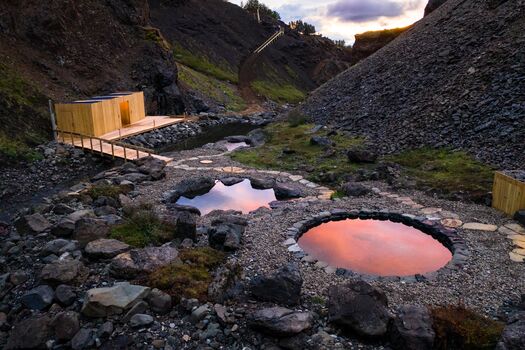
For a more secluded excursion, the Húsafell Canyon Baths sit among the rugged landscapes of West Iceland. Two stone-lined geothermal pools range from around 30°C to 41°C (86–105°F), with views across the canyon and nearby mountains. Unlike a conventional geothermal spa, the baths are reached as part of a guided excursion with a short walk through scenic canyon terrain. They can also be visited as part of Reykjavík Excursions’ Silver Circle route.
Forest Lagoon
Located in North Iceland near Akureyri, Forest Lagoon sits among birch trees overlooking Eyjafjörður. The complex features two warm geothermal water pools maintained at around 37°C (99°F). There’s also a Finnish sauna, a cold plunge, and an on-site bistro. Forest Lagoon’s location outside Akureyri makes it a convenient stop in the north.
Earth Lagoon Mývatn
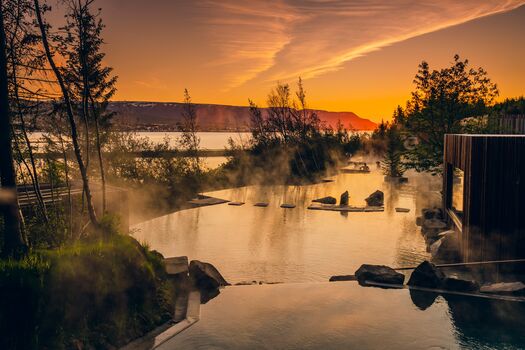
Earth Lagoon Mývatn, formerly known as Mývatn Nature Baths, brings relaxing geothermal bathing to the volcanic landscapes of North Iceland. Surrounded by lava fields and mountains, the lagoon also highlights the scenic beauty of the Mývatn area. After reopening with expanded facilities in 2026, the facility now features a larger lagoon, naturally alkaline and sulphur-rich geothermal water, and a swim-in steam cave.
Geosea Geothermal Sea Baths
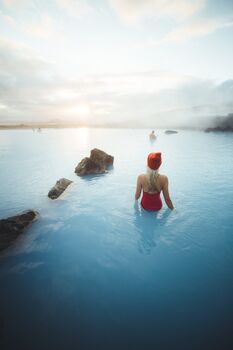
Perched on the cliffs of Húsavík, GeoSea stands apart from many hot springs in Iceland with its naturally heated seawater. Rather than freshwater, mineral-rich seawater comes from geothermal drillholes and is maintained at around 38–39°C (100–102°F).
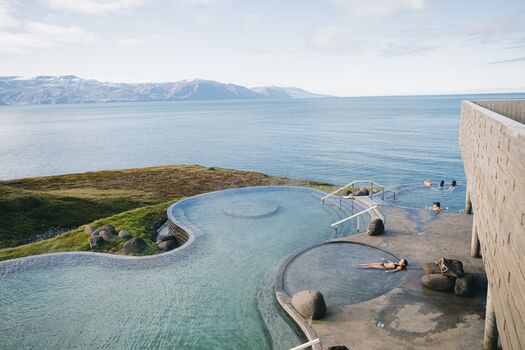
From the pools, visitors can look out across Skjálfandi Bay for wide views towards the Arctic Circle. This combination of geothermal heat, seawater, and coastal scenery makes GeoSea a distinctive stop on a North Iceland itinerary.
Vök Baths
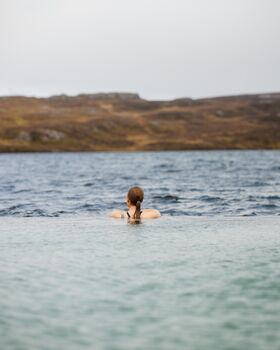
Located near Egilsstaðir in East Iceland, Vök Baths features geothermal pools that appear to float on the surface of Lake Urriðavatn. The clear geothermal water flows continuously through the baths without added chlorine or other chemicals. The site also includes two shore-based hot pools, a sauna, cold-water facilities, and access to the lake for a refreshing plunge.
Natural Hot Springs in Iceland for a More Rustic Soak
If you prefer a wilder environment and don’t mind minimal facilities, some Iceland hot springs feature geothermal water flowing through rivers and pools. These places offer a simpler experience than commercial spas, with more variable conditions and fewer amenities.
Reykjadalur Hot River
Located near the town of Hveragerði, Reykjadalur (“Steam Valley”) is famous for its warm flowing river. Reaching the bathing spot requires a scenic uphill hike of approximately 45–60 minutes each way. Water temperatures vary along the riverbank, allowing visitors to walk upstream for warmer spots.
Reykjadalur is a fantastic fit for active travellers who enjoy hiking to a wild bathing spot. For those who want to experience the same valley without the walk, the modern Reykjaböð facility sits right at the trail entrance.
Landmannalaugar Hot Spring
Deep in the Icelandic Highlands, Landmannalaugar is known for its colourful rhyolite mountains and naturally warm bathing pool, formed where hot and cold streams meet. Because the area is remote, access is seasonal and requires careful planning.
During the summer months, Reykjavík Excursions operates regular Highland bus services to Landmannalaugar. This gives travellers a convenient way to reach the region without driving the Highland roads themselves.
Swimming Pools That Show You How Icelanders Really Bathe
While visitors often focus on destination lagoons and spas, municipal swimming pools play a more central role in everyday Icelandic life. They are places to exercise, unwind, socialise, and spend time with family or friends. You can learn more about this tradition in our guide to Icelandic geothermal pools.
Reykjavík’s Local Swimming Pools
Reykjavík has public swimming pools across the city, and many neighbourhoods have one close by. Facilities typically include an outdoor lap pool, geothermal hot tubs (heitir pottar), steam rooms, and play areas for children. Entry fees are generally affordable, making them a practical way to experience everyday Icelandic bathing culture. Before entering the pool, visitors are expected to shower thoroughly with soap and without a swimsuit. This is standard etiquette at public swimming pools throughout Iceland.
Seljavallalaug
South Iceland’s Seljavallalaug is one of the country’s oldest outdoor swimming pools, built in 1923 in a narrow valley beneath mountains. The setting is striking, but visitors should keep expectations realistic. The water is often lukewarm rather than hot, the changing facilities are basic, and there are no staff on site. Seljavallalaug is best approached as a historic outdoor pool rather than a modern geothermal spa.
Which Iceland Hot Spring Should You Choose?
The right bathing spot depends on each traveller. With so many geothermal spots, choosing the right one comes down to your itinerary, travel style, and the type of experience you are looking for.
| If you want... | Consider... |
|---|---|
| Easy luxury access from Reykjavík | Sky Lagoon |
| A brand-new lagoon experience near the capital | Reykjaböð |
| A classic stop along the Golden Circle | Laugarvatn Fontana or Secret Lagoon |
| An iconic, bucket-list first visit | Blue Lagoon |
| A quieter, coastal fjord setting | Hvammsvík |
| A scenic hike followed by a wild soak | Reykjadalur Hot River |
| A relaxing stop in West Iceland | Krauma or Húsafell Canyon Baths |
| A geothermal bath in North Iceland | Forest Lagoon, Earth Lagoon, or GeoSea |
| An authentic, everyday local experience | Reykjavík municipal pools |
Before You Get In: Hot Spring Safety in Iceland
Like any natural attraction, visiting hot springs in Iceland requires awareness, common sense, and preparation. Geothermal bathing is usually straightforward in recognised bathing areas, but natural geothermal environments can present serious hazards.
- Never assume hot water is safe for bathing. Some geothermal springs and pools can reach temperatures close to or above 100°C (212°F). Instead, only swim in recognised bathing spots. In natural rivers and pools, follow local guidance and avoid entering unfamiliar geothermal water.
- Obey all warning signs and barriers. Fences are there for your protection, so never cross them or enter restricted areas.
- Stay on marked paths. Ground around geothermal areas can be thin or unstable, with boiling water, steam, or mud beneath the surface.
- Protect the surrounding landscape. Stick to established trails and avoid trampling delicate moss or vegetation.
The Local's Guide to Icelandic Hot Spring Etiquette
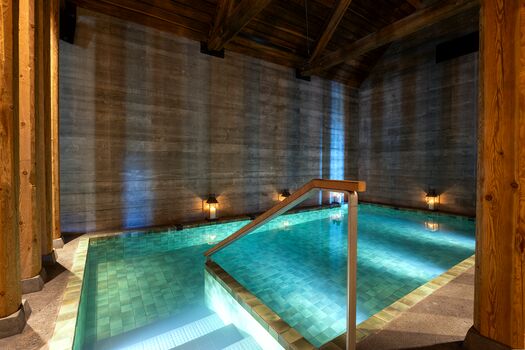
To keep pools and geothermal baths clean and comfortable, everyone is expected to follow a few important local customs
Shower thoroughly without swimwear. Before entering a public pool or geothermal spa, wash thoroughly with soap in the designated shower area. This is a standard hygiene rule throughout Iceland.
Wear appropriate swimwear. Swimsuits are required in public swimming pools and commercial geothermal lagoons.
Respect privacy and photography rules. Never take photos or videos in changing rooms or shower areas, and check individual venue rules before using a camera or phone around the pools.
Be considerate of others. Municipal pools are often social places, while spas may have a quieter atmosphere. Follow the setting and avoid disruptive behaviour.
Leave natural bathing spots as you found them. Take all rubbish with you, avoid bringing glass near bathing areas, and never use soap or shampoo in natural hot springs or rivers.
Seasonal Soaks: Choosing the Right Time for an Icelandic Bath
Geothermal bathing is a year-round tradition in Iceland, though each season transforms the experience into something new. During summer, long daylight hours and generally milder conditions make it easier to travel between bathing spots. Road access is usually at its best, which can make more remote natural pools easier to reach. Popular geothermal lagoons and spas, however, may also be busier at this time of year.
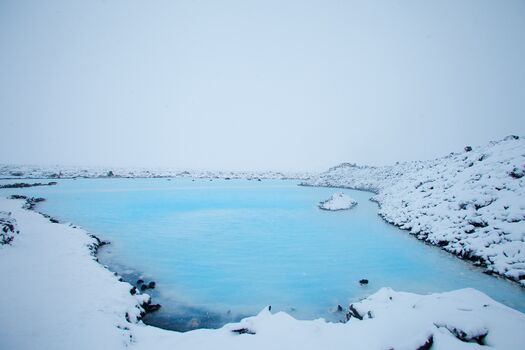
Winter brings a striking contrast between cold outdoor temperatures and warm geothermal water. Commercial pools and spas remain an easy option, but access to natural hot springs can depend heavily on weather, daylight, and road conditions. Spring and autumn often bring fewer visitors, along with cooler temperatures and changing weather. These shoulder seasons can be a good choice for travellers looking for a quieter geothermal bathing experience.
Plan Your Iceland Hot Spring Experience
Hot springs and geothermal pools are easy to work into almost any Iceland itinerary, whether you want a full-service spa, a natural bathing spot, or a local swimming pool. The best choice depends on where you are travelling, how much time you have, and how much planning you want to do yourself.
If you are staying in Reykjavík without a rental car, Reykjavík Excursions offers transfers and guided tours to several geothermal destinations, including Reykjaböð, Sky Lagoon, Blue Lagoon, Laugarvatn Fontana, and Secret Lagoon. Booking transport and entry in advance can make the experience much easier, especially during busy travel periods.
FAQs
Are there free hot springs in Iceland?
Yes, some undeveloped natural bathing spots do not charge an entry fee. Parking or trail access fees may also apply, so it is worth checking the latest local information before visiting.
Which hot spring is best in Iceland?
It depends; for full-service geothermal spas near Reykjavík, Sky Lagoon and Blue Lagoon are popular choices. Secret Lagoon offers a more traditional setting, while Reykjavík’s municipal pools provide a closer look at everyday Icelandic bathing culture.
What to wear in hot springs in Iceland?
Standard swimwear is required at public pools and commercial geothermal spas, and it’s best to bring a towel and flip-flops. For natural bathing spots, warm layers and sturdy footwear are also useful for the walk to and from the water.
Are Iceland’s hot springs open in winter?
Many commercial geothermal lagoons, spas, and municipal swimming pools remain open throughout winter. Access to remote natural hot springs, however, can be limited by snow, weather, road conditions, and shorter daylight hours.
Do you need to book hot springs in Iceland in advance?
For popular spas such as Blue Lagoon, Sky Lagoon, and Hvammsvík, advance booking is strongly recommended, particularly during busy travel periods. Reserving ahead also gives you a better chance of securing your preferred entry time.


Áhugaverðar ferðir


4 Tours
Blogg
Fáðu innblástur! Upplýsingar og góð ráð, áhugaverðir áfangastaðir, skemmtilegar staðreyndar og margt fleira. Bloggið okkar er á ensku en það er stórskemmtilegt engu að síður!


The Silver Circle of West Iceland - Your Guide
You’ve heard of the Golden Circle, but here’s why you should head to Iceland’s western region to explore the msytical Silver Circle tour route.
Lesa bloggHot Springs in Iceland: A Complete Geothermal Bathing Guide
9. ágúst 2022
Hot Springs in Iceland: A Complete Geothermal Bathing Guide
9. ágúst 2022
For a quintessential Icelandic activity, travellers can rarely go wrong with a geothermal soak. Geothermal bathing is one of Iceland’s most popular experiences, both for visitors and locals. Across the country, you’ll find everything from natural hot rivers and neighbourhood swimming pools to full-service geothermal lagoons with changing facilities, restaurants, and organised transport. So, it is little surprise that outdoor bathing is such a cherished part of life in Iceland. From remote thermal rivers to neighbourhood swimming pools, geothermal water shapes how Icelanders relax, socialise, and spend time outdoors.
Luckily, many popular bathing spots are easy to reach from Reykjavík without hiring a car. A guided tour or transfer with Reykjavík Excursions is a convenient way to add a geothermal soak to your itinerary. Before you take a dip, however, it helps to know what to expect. Here is everything you need to know, from safety and logistics to the best hot springs and geothermal pools to visit.
Why Does Iceland Have So Many Hot Springs?
Iceland’s location plays a major role in its abundance of geothermal activity. The island sits on the Mid-Atlantic Ridge, where the North American and Eurasian tectonic plates are slowly pulling apart. This movement helps drive Iceland’s volcanic and geothermal activity, generating intense heat beneath the surface.
As rainwater and groundwater seep down through cracks in the crust, they’re heated by hot rock and geothermal systems underground. The heated water can then rise back towards the surface, appearing as hot springs, steam vents, mud pools, and other geothermal features.
Throughout the country, geothermal energy is also harnessed to heat homes, supply hot water, and warm swimming pools. Ultimately, whether you’re soaking in a natural hot spring in Iceland or a man-made pool, it’s made possible by the island’s geology.
Can You Bathe in Iceland’s Hot Springs?
Yes, you can bathe in many hot springs in Iceland, but not all of them. Visitors should only enter designated areas where bathing is known to be permitted and safe. While some natural springs and warm rivers maintain comfortable bathing temperatures, others can be dangerously hot. At unmanaged natural sites, temperatures can fluctuate with rainfall, weather conditions, and unseen shifts within the geothermal system.
This is why it is important to distinguish between a bathing hot spring and a protected geothermal area. Fenced geothermal features, such as those around Geysir, contain boiling water and fragile terrain. These sites are strictly for viewing and must never be entered. By contrast, commercial lagoons, geothermal spas, and municipal swimming pools offer a more controlled swimming experience. Here, water temperatures are monitored and regulated regularly.
Are Hot Springs in Iceland Free?
For travellers planning an Iceland itinerary, cost can be an important factor when choosing where to bathe.
Prices depend largely on the type of site you visit. Some natural bathing spots on public land do not charge an entry fee. However, free access usually means few or no facilities such as changing rooms, toilets, showers, or staff. Alternatively, developed geothermal spas charge admission and often recommend booking in advance, especially at popular times.
It is also wise to check current local information before setting off. Some informal sites have introduced charges for parking or access. Fees typically go toward helping maintain the trails and protect the surrounding environment.
Geothermal Spas and Hot Springs in Iceland Worth Visiting
For greater comfort and reliable amenities, Iceland's commercial geothermal spas are a practical choice. These bathing spots combine warm geothermal water with changing rooms, showers, food and drink, and scenic natural settings. Many are also easy to include in a day trip or wider sightseeing itinerary.
Reykjaböð Hot Springs
Opened in September 2026, Reykjaböð is a modern geothermal lagoon at the mouth of Reykjadalur Valley in Hveragerði. Its 900-square-metre lagoon is kept at around 37–40°C (98–104°F). Cold plunge pools, dry saunas, a Kneipp pool, and comfortable changing facilities add to the experience.
Return transport is available from Reykjavík, and a visit can also be combined with a South Coast day tour through Reykjavík Excursions. This makes Reykjaböð a convenient option for travellers who want to pair geothermal bathing with some of Iceland’s best-known attractions.
Sky Lagoon
Located just a short drive from central Reykjavík, Sky Lagoon offers an oceanfront setting overlooking the North Atlantic. Its standout feature is a 70-metre (230-foot) infinity edge that appears to merge with the sea. Guests can also experience the seven-step Skjól Ritual, which moves from the warm lagoon and cold plunge into a sauna and other hot-and-cold wellness experiences.
For city-based travellers, a Sky Lagoon pass with transfers is a convenient way to enjoy geothermal bathing without the drive.
Hvammsvík Hot Springs
Hvammsvík Hot Springs sits on the shores of Hvalfjörður, around 45 minutes from Reykjavík. It’s known for its eight natural geothermal pools, which vary in size and temperature and extend towards the Atlantic. Some of the pools are influenced by the tides, causing their water levels and temperatures to shift throughout the day.
Blue Lagoon
Blue Lagoon is Iceland’s best-known geothermal spa. Set among lava fields on the Reykjanes Peninsula, it’s famous for milky-blue geothermal seawater rich in silica, algae, and minerals. Facilities include silica mud masks, a sauna, steam room, and in-water amenities.
Positioned conveniently between Reykjavík and Keflavík International Airport, the lagoon is easy to include at the beginning or end of a trip. Because of its popularity, visitors should secure Blue Lagoon tours well in advance.
Laugarvatn Fontana
Reopened in August 2026 after extensive renovations, Laugarvatn Fontana sits on the shores of Lake Laugarvatn along the Golden Circle route. The facility features warm outdoor baths, a panoramic sauna, and a geothermal steam room built directly over a natural hot spring. Guests can also step into the lake for a refreshing cold dip.
Laugarvatn Fontana. Photo: © Fontana
Another highlight is the geothermal bakery experience, where traditional Icelandic rye bread is baked underground using natural heat. Visitors can actually watch the bread being unearthed, then sample it on site.
Secret Lagoon
In the village of Flúðir, the Secret Lagoon is a historic geothermal bathing pool dating back to 1891. Rather than offering a luxury spa atmosphere, it has a simpler, more traditional feel. Small geysers and steaming geothermal features surround the pool. Its location makes it an easy addition to a Golden Circle day tour, particularly for a more low-key bathing experience.
Krauma Geothermal Baths and Spa
Located in West Iceland, Krauma draws its hot water from Deildartunguhver, the highest-flow hot spring in Europe. The spring produces around 180 litres (47.5 gallons) of near-boiling water per second at approximately 100°C (212°F). To bring the water down to a comfortable bathing temperature, Krauma mixes it with cold water from Rauðsgil. The spa has six pools in total: five warm relaxation pools and one cold plunge pool.
Húsafell Canyon Baths
For a more secluded excursion, the Húsafell Canyon Baths sit among the rugged landscapes of West Iceland. Two stone-lined geothermal pools range from around 30°C to 41°C (86–105°F), with views across the canyon and nearby mountains. Unlike a conventional geothermal spa, the baths are reached as part of a guided excursion with a short walk through scenic canyon terrain. They can also be visited as part of Reykjavík Excursions’ Silver Circle route.
Forest Lagoon
Located in North Iceland near Akureyri, Forest Lagoon sits among birch trees overlooking Eyjafjörður. The complex features two warm geothermal water pools maintained at around 37°C (99°F). There’s also a Finnish sauna, a cold plunge, and an on-site bistro. Forest Lagoon’s location outside Akureyri makes it a convenient stop in the north.
Earth Lagoon Mývatn
Earth Lagoon Mývatn, formerly known as Mývatn Nature Baths, brings relaxing geothermal bathing to the volcanic landscapes of North Iceland. Surrounded by lava fields and mountains, the lagoon also highlights the scenic beauty of the Mývatn area. After reopening with expanded facilities in 2026, the facility now features a larger lagoon, naturally alkaline and sulphur-rich geothermal water, and a swim-in steam cave.
Geosea Geothermal Sea Baths
Perched on the cliffs of Húsavík, GeoSea stands apart from many hot springs in Iceland with its naturally heated seawater. Rather than freshwater, mineral-rich seawater comes from geothermal drillholes and is maintained at around 38–39°C (100–102°F).
From the pools, visitors can look out across Skjálfandi Bay for wide views towards the Arctic Circle. This combination of geothermal heat, seawater, and coastal scenery makes GeoSea a distinctive stop on a North Iceland itinerary.
Vök Baths
Located near Egilsstaðir in East Iceland, Vök Baths features geothermal pools that appear to float on the surface of Lake Urriðavatn. The clear geothermal water flows continuously through the baths without added chlorine or other chemicals. The site also includes two shore-based hot pools, a sauna, cold-water facilities, and access to the lake for a refreshing plunge.
Natural Hot Springs in Iceland for a More Rustic Soak
If you prefer a wilder environment and don’t mind minimal facilities, some Iceland hot springs feature geothermal water flowing through rivers and pools. These places offer a simpler experience than commercial spas, with more variable conditions and fewer amenities.
Reykjadalur Hot River
Located near the town of Hveragerði, Reykjadalur (“Steam Valley”) is famous for its warm flowing river. Reaching the bathing spot requires a scenic uphill hike of approximately 45–60 minutes each way. Water temperatures vary along the riverbank, allowing visitors to walk upstream for warmer spots.
Reykjadalur is a fantastic fit for active travellers who enjoy hiking to a wild bathing spot. For those who want to experience the same valley without the walk, the modern Reykjaböð facility sits right at the trail entrance.
Landmannalaugar Hot Spring
Deep in the Icelandic Highlands, Landmannalaugar is known for its colourful rhyolite mountains and naturally warm bathing pool, formed where hot and cold streams meet. Because the area is remote, access is seasonal and requires careful planning.
During the summer months, Reykjavík Excursions operates regular Highland bus services to Landmannalaugar. This gives travellers a convenient way to reach the region without driving the Highland roads themselves.
Swimming Pools That Show You How Icelanders Really Bathe
While visitors often focus on destination lagoons and spas, municipal swimming pools play a more central role in everyday Icelandic life. They are places to exercise, unwind, socialise, and spend time with family or friends. You can learn more about this tradition in our guide to Icelandic geothermal pools.
Reykjavík’s Local Swimming Pools
Reykjavík has public swimming pools across the city, and many neighbourhoods have one close by. Facilities typically include an outdoor lap pool, geothermal hot tubs (heitir pottar), steam rooms, and play areas for children. Entry fees are generally affordable, making them a practical way to experience everyday Icelandic bathing culture. Before entering the pool, visitors are expected to shower thoroughly with soap and without a swimsuit. This is standard etiquette at public swimming pools throughout Iceland.
Seljavallalaug
South Iceland’s Seljavallalaug is one of the country’s oldest outdoor swimming pools, built in 1923 in a narrow valley beneath mountains. The setting is striking, but visitors should keep expectations realistic. The water is often lukewarm rather than hot, the changing facilities are basic, and there are no staff on site. Seljavallalaug is best approached as a historic outdoor pool rather than a modern geothermal spa.
Which Iceland Hot Spring Should You Choose?
The right bathing spot depends on each traveller. With so many geothermal spots, choosing the right one comes down to your itinerary, travel style, and the type of experience you are looking for.
| If you want... | Consider... |
|---|---|
| Easy luxury access from Reykjavík | Sky Lagoon |
| A brand-new lagoon experience near the capital | Reykjaböð |
| A classic stop along the Golden Circle | Laugarvatn Fontana or Secret Lagoon |
| An iconic, bucket-list first visit | Blue Lagoon |
| A quieter, coastal fjord setting | Hvammsvík |
| A scenic hike followed by a wild soak | Reykjadalur Hot River |
| A relaxing stop in West Iceland | Krauma or Húsafell Canyon Baths |
| A geothermal bath in North Iceland | Forest Lagoon, Earth Lagoon, or GeoSea |
| An authentic, everyday local experience | Reykjavík municipal pools |
Before You Get In: Hot Spring Safety in Iceland
Like any natural attraction, visiting hot springs in Iceland requires awareness, common sense, and preparation. Geothermal bathing is usually straightforward in recognised bathing areas, but natural geothermal environments can present serious hazards.
- Never assume hot water is safe for bathing. Some geothermal springs and pools can reach temperatures close to or above 100°C (212°F). Instead, only swim in recognised bathing spots. In natural rivers and pools, follow local guidance and avoid entering unfamiliar geothermal water.
- Obey all warning signs and barriers. Fences are there for your protection, so never cross them or enter restricted areas.
- Stay on marked paths. Ground around geothermal areas can be thin or unstable, with boiling water, steam, or mud beneath the surface.
- Protect the surrounding landscape. Stick to established trails and avoid trampling delicate moss or vegetation.
The Local's Guide to Icelandic Hot Spring Etiquette
To keep pools and geothermal baths clean and comfortable, everyone is expected to follow a few important local customs
Shower thoroughly without swimwear. Before entering a public pool or geothermal spa, wash thoroughly with soap in the designated shower area. This is a standard hygiene rule throughout Iceland.
Wear appropriate swimwear. Swimsuits are required in public swimming pools and commercial geothermal lagoons.
Respect privacy and photography rules. Never take photos or videos in changing rooms or shower areas, and check individual venue rules before using a camera or phone around the pools.
Be considerate of others. Municipal pools are often social places, while spas may have a quieter atmosphere. Follow the setting and avoid disruptive behaviour.
Leave natural bathing spots as you found them. Take all rubbish with you, avoid bringing glass near bathing areas, and never use soap or shampoo in natural hot springs or rivers.
Seasonal Soaks: Choosing the Right Time for an Icelandic Bath
Geothermal bathing is a year-round tradition in Iceland, though each season transforms the experience into something new. During summer, long daylight hours and generally milder conditions make it easier to travel between bathing spots. Road access is usually at its best, which can make more remote natural pools easier to reach. Popular geothermal lagoons and spas, however, may also be busier at this time of year.
Winter brings a striking contrast between cold outdoor temperatures and warm geothermal water. Commercial pools and spas remain an easy option, but access to natural hot springs can depend heavily on weather, daylight, and road conditions. Spring and autumn often bring fewer visitors, along with cooler temperatures and changing weather. These shoulder seasons can be a good choice for travellers looking for a quieter geothermal bathing experience.
Plan Your Iceland Hot Spring Experience
Hot springs and geothermal pools are easy to work into almost any Iceland itinerary, whether you want a full-service spa, a natural bathing spot, or a local swimming pool. The best choice depends on where you are travelling, how much time you have, and how much planning you want to do yourself.
If you are staying in Reykjavík without a rental car, Reykjavík Excursions offers transfers and guided tours to several geothermal destinations, including Reykjaböð, Sky Lagoon, Blue Lagoon, Laugarvatn Fontana, and Secret Lagoon. Booking transport and entry in advance can make the experience much easier, especially during busy travel periods.
FAQs
Are there free hot springs in Iceland?
Yes, some undeveloped natural bathing spots do not charge an entry fee. Parking or trail access fees may also apply, so it is worth checking the latest local information before visiting.
Which hot spring is best in Iceland?
It depends; for full-service geothermal spas near Reykjavík, Sky Lagoon and Blue Lagoon are popular choices. Secret Lagoon offers a more traditional setting, while Reykjavík’s municipal pools provide a closer look at everyday Icelandic bathing culture.
What to wear in hot springs in Iceland?
Standard swimwear is required at public pools and commercial geothermal spas, and it’s best to bring a towel and flip-flops. For natural bathing spots, warm layers and sturdy footwear are also useful for the walk to and from the water.
Are Iceland’s hot springs open in winter?
Many commercial geothermal lagoons, spas, and municipal swimming pools remain open throughout winter. Access to remote natural hot springs, however, can be limited by snow, weather, road conditions, and shorter daylight hours.
Do you need to book hot springs in Iceland in advance?
For popular spas such as Blue Lagoon, Sky Lagoon, and Hvammsvík, advance booking is strongly recommended, particularly during busy travel periods. Reserving ahead also gives you a better chance of securing your preferred entry time.
Áhugaverðar ferðir
4 Tours
Blogg
Fáðu innblástur! Upplýsingar og góð ráð, áhugaverðir áfangastaðir, skemmtilegar staðreyndar og margt fleira. Bloggið okkar er á ensku en það er stórskemmtilegt engu að síður!
The Silver Circle of West Iceland - Your Guide
You’ve heard of the Golden Circle, but here’s why you should head to Iceland’s western region to explore the msytical Silver Circle tour route.
Lesa blogg