

How to Plan a Reykjavík Itinerary That Fits Your Trip
30. júní 2026
How to Plan a Reykjavík Itinerary That Fits Your Trip
30. júní 2026
Vibrant, scenic, and irresistibly energetic, Reykjavík is a city that delights at every turn. A traveller may spend one moment marvelling at striking architecture, then the next fully immersed in bustling shopping streets. In one visit, there are fresh flavours, bold art, and legendary nightlife to enjoy. Yet the best Reykjavík itinerary is not the same for everyone. A short stopover, a winter escape, and a longer Iceland holiday all call for a different plan. Here’s how to craft an effective Reykjavík itinerary, whether you have a few hours or several days to explore.
Why Most Reykjavík Itineraries Do Not Fit Every Trip
There are countless “ultimate” Reykjavík itinerary templates promising the perfect holiday in one of the world’s northernmost capitals. However, many guides assume every traveller arrives with the same goals, budget, and timeframe.
In reality, travel styles in Iceland vary immensely. A traveller with only 24 hours needs a completely different strategy from someone spending three days exploring the capital. Alternatively, an adventurer aiming for wide-ranging day tours into the countryside will need their own approach. A truly useful itinerary shouldn’t simply list all the famous things to do in Reykjavík. Instead, it must be flexible enough to reflect your travel goals, so you can experience the city on your own terms.
What Factors Shape Your Reykjavík Itinerary?
Before even pinning locations on a map, you need to establish the foundation of your trip. Designing a successful Reykjavík itinerary requires a realistic look at your practical constraints and personal preferences.
How Much Time Do You Have?
The number of days you have in Iceland will shape the pace of your Reykjavík itinerary. A short stopover calls for a focused city route, while a longer stay gives you time for day trips, local food, and downtime.
- The 24-to-48-Hour Stopover: If you are stopping over between continents, keep your plans simple and central. Reykjavík’s city centre is compact and easy to explore on foot, so you can still enjoy a rewarding visit. Focus on a walkable downtown route, with time for landmarks, cafés, local shops, or a food tour.
- The 3-to-5-Day City Base: This is the sweet spot for a classic city break. With a few days in Reykjavík, you can explore local culture, sample Icelandic cuisine, and add short excursions beyond the city. Spend one day on Reykjavík’s main sights, then use the other days for day tours, geothermal bathing, or neighbourhood wandering.
- Longer Than 5 Days: An extended stay allows for a more relaxed itinerary. Dedicate full days to major routes such as Golden Circle tours, and add coastal hot springs or geothermal lagoons. Plus, you can still keep spare time for cafés, museums, and harbour walks. It is also wise to leave some flexibility in your schedule, as Icelandic weather can change quickly.
When Are You Visiting?
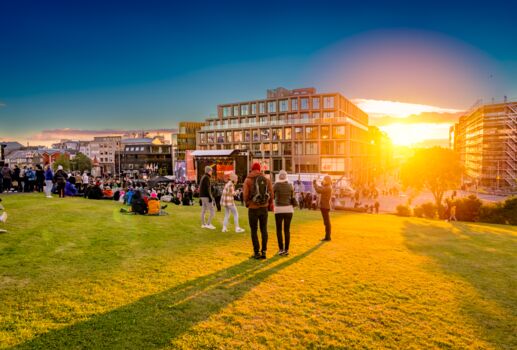
Seasonality heavily influences how you map out your days. If you visit Iceland during summer (June to August), long daylight hours stretch your plans well into the evening. You can stroll down Rainbow Street or linger by the harbour late at night, without rushing back before dark.
A winter trip, especially from November to February, brings a very different rhythm. Around midwinter, daylight can last as little as five hours, so it pays to be strategic. Plan outdoor sightseeing for the brightest part of the day, and save museums, cafés, and cultural stops for lower-light hours. Keep the long nights free for Northern Lights excursions outside the city.
What Is Your Budget?
Iceland has a reputation for being a premium destination, but a thoughtful Reykjavík itinerary can still be shaped around most budgets. The key is deciding where to spend and where to save.
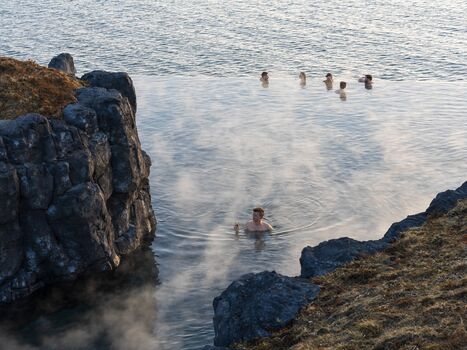
- Where to Splurge: Consider investing in the experiences that matter most to your trip. That can mean high-end Icelandic dining, guided small-group excursions, or a premium geothermal spa such as the oceanfront Sky Lagoon.
- Where to Save: Balance bigger-ticket experiences with Reykjavík’s excellent public spaces. Many of the capital’s highlights, from Harpa Concert Hall to the coastal walking paths, are free to enjoy. Food costs can also be managed with a little planning. For example, you might try a classic Icelandic hot dog or choose casual food halls instead of a pricier sit-down meal.
What Is Your Travel Style?
Identifying your travel style ensures you spend your holiday doing what you love, rather than blindly following a generic template. Consider which profile best describes you.
- The First-Time Visitor: If this is your first stay in Reykjavík, you may want a classic, balanced overview. Prioritise the city’s core landmarks, such as Hallgrímskirkja, Rainbow Street and Harpa Concert Hall. Meanwhile, leave time for local experiences such as geothermal pools, cafés, and harbour walks.
- The Nature-Focused Traveller: If you are using the capital as a convenient springboard into the wild, your Reykjavík itinerary will centre on outdoor experiences. You might join a whale watching cruise from the Old Harbour or take a day trip to the Golden Circle. In winter, leave an evening free for a Northern Lights tour.
- The Culture and Food Lover: For you, the ideal day revolves around heritage, art, and culinary discovery. Spend time at the National Museum of Iceland, and browse independent design boutiques. Don’t miss exploring the city’s food scene, from traditional lobster soup to contemporary New Nordic dining. The best way to get the taste of everything is by joining a Reykjavík food walking tour.
- The Family Traveller: Travelling with children calls for a manageable, stress-free pace. Focus on engaging, interactive spaces such as the Whales of Iceland exhibition, family-friendly hot springs, and easy walking routes. Reliable, structured transport can also help reduce long walks and tired legs.
- The Adventure Traveller: If you want active days, aim for excursions such as glacier hiking, horse riding across lava fields, or longer countryside tours. After a day outdoors, you can return to Reykjavík for dinner, live music, or the city’s lively weekend nightlife.
- The Slow Traveller: If you prefer to absorb the local atmosphere rather than tick off a long checklist, leave time for unhurried wandering. A good day might include a downtown café, a quiet art gallery, and a long soak in a neighbourhood thermal pool.
1-Day Reykjavík Itinerary for Quick Stopovers
If you only have one day in Reykjavík in between flights, you can still get a complete experience of the capital. The secret is focusing your time effectively. By pairing a walkable morning in downtown with one major experience, you can create a high-impact day without feeling rushed. Taking a hop-on hop-off sightseeing bus is also a convenient way to visit the city’s major landmarks at your own pace.
Morning: Start With the City Centre
For a short itinerary in Iceland’s capital, the city centre is the best place to begin. This walkable route links some of Reykjavík’s most recognisable landmarks with cafés, shopping streets, and harbour views. It’s a strong first impression without rushing across town.
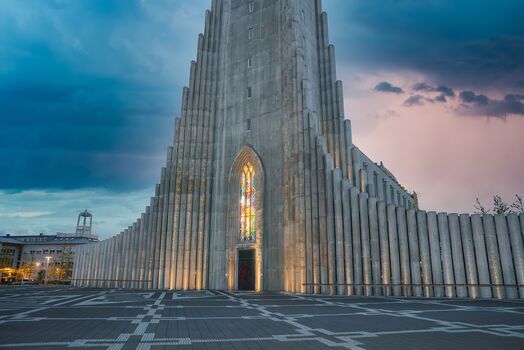
- Begin at Hallgrímskirkja: Start your Reykjavík itinerary at one of the city’s most iconic buildings. Its towering concrete façade was inspired by Iceland’s volcanic basalt formations. It is also well worth a visit inside to take the lift up the tower for a panoramic view of the city’s colourful rooftops.
- Walk down Rainbow Street: From the church, follow Skólavörðustígur (Rainbow Street) towards downtown Reykjavík. Pause for coffee, browse small design shops, or take photos of the colourful pedestrian section.
- Continue along Laugavegur: Spend time on Reykjavík’s main shopping street, where you will find cafés, boutiques, souvenir shops, and local design.
- Head towards the harbour: Walk down to the oceanfront, passing Harpa Concert Hall before continuing towards the Old Harbour.
- Optional museum stop: If you have time, visit the Reykjavík Maritime Museum for excellent context on Iceland’s seafaring history.
Afternoon: Choose a Signature Experience
To avoid itinerary burnout, dedicate your afternoon to one standout experience that matches your travel priorities.
- The classic nature route (Golden Circle): If you want to see Iceland’s legendary landscapes but are short on time, choose an express Golden Circle tour from Reykjavík. This route typically includes three iconic sights: Þingvellir National Park, the Geysir geothermal area, and Gullfoss waterfall.
- A geothermal soak: For many travellers, a trip to Iceland feels incomplete without time to enjoy the hot springs and pools. For a spa-focused afternoon, visit Sky Lagoon near Reykjavík or take a shuttle bus to the world-famous Blue Lagoon. Allow enough time for transfers, changing, and a relaxed soak.
- The ocean wildlife adventure: If you want to get out on the water, join a whale watching tour from the Old Harbour. An afternoon cruise gives you the chance to spot marine life such as minke whales, humpback whales, white-beaked dolphins, and harbour porpoises.
- The culture and food trail: If you prefer a city-focused afternoon, spend time with Reykjavík’s museums, food, and local stories. Visit the National Museum of Iceland or the Icelandic Phallological Museum. Follow it with a casual food stop or an early evening food tour.
Evening: Relaxing and Seasonal
End your single day in Reykjavík at a gentler pace. After a full day, your evening should be simple, flexible, and shaped by the season.
- Enjoy a casual local dinner: Choose a cosy downtown restaurant for fresh Atlantic seafood, Icelandic lamb, or modern Nordic cooking. For a quicker, budget-friendly option, join the queue at Bæjarins Beztu Pylsur for a classic Icelandic hot dog.
- Take a scenic coastal stroll: After dinner, follow the waterfront path towards the Sun Voyager. This striking steel sculpture is especially atmospheric when the evening light shifts across Faxaflói Bay, with Mount Esja in the distance.
- The winter plan (Northern Lights): If you are visiting in winter, consider dedicating your evening to a guided Northern Lights tour. These excursions take you away from the city lights in search of the aurora borealis. Sightings are never guaranteed, so it is best to keep your plans flexible.
- The summer plan (Midnight Sun): If you are visiting in high summer, take advantage of Reykjavík’s long daylight hours. Enjoy a late-evening drink at a lively bar, wander along the waterfront, or take a peaceful walk around Lake Tjörnin.
3-Day Reykjavík Itinerary for an Expanded Holiday
With three days in Reykjavík, you can unlock the full potential of a city-based Icelandic holiday. The first 24 hours can follow the exact blueprint outlined in the one-day Reykjavík itinerary above. Then, the second and third days allow you to branch outward.
Day 2: Add a Classic Day Trip
An advantage of a multi-day stay in Reykjavík is using the capital as a convenient base for exploring beyond the city. With guided day tours from Reykjavík, local experts handle the driving and route planning while you focus on Iceland’s landscapes.
- The Golden Circle: If you didn’t choose this route on your first day, this is an ideal time to add it to your itinerary. This classic route is a strong choice for first-time visitors who want to see some of Iceland’s best-known natural sights.
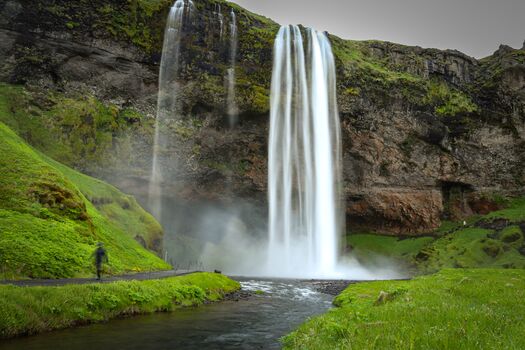
- The South Coast: If you prefer glaciers, waterfalls, and black-sand beaches, head along the Ring Road for full-day South Coast tours. This route often includes Seljalandsfoss and Skógafoss waterfalls, the black-sand shore of Reynisfjara, and views of Sólheimajökull glacier. It is a longer day, but one of the most rewarding options for dramatic scenery.
- The Reykjanes Peninsula: If you are drawn to raw volcanic landscapes, spend the day exploring the Reykjanes Peninsula. This region offers geothermal areas, lava fields, rugged coastlines, and dramatic sea cliffs within easy reach of Reykjavík.
Day 3: Personalise Your Reykjavík Itinerary
For your final day, choose the option that best matches your travel style. Rather than following someone else’s template, slow down, go deeper into the city, or add one last experience.
- Geothermal bathing and slow travel: Make this a relaxed day built around warm water, local rituals and a slower pace. For a classic Reykjavík experience, visit one of the city’s public swimming pools, such as Sundhöllin, Laugardalslaug, Vesturbæjarlaug or Árbæjarlaug. For something more unusual, head to Nauthólsvík Geothermal Beach for a sheltered sea lagoon and hot tubs close to the shore.
- Food, culture, and museums: History-focused travellers can choose the National Museum of Iceland, The Settlement Exhibition, Reykjavík Maritime Museum, or Árbær Open Air Museum. Art lovers might prefer Hafnarhús, Kjarvalsstaðir, Ásmundarsafn, or the National Gallery of Iceland. Balance your museum time with a harbour lunch, a food tour, a bakery stop, or a casual seafood dinner.
- Adventure activities: Depending on the season, you could go snorkelling in the Silfra fissure in Þingvellir National Park or ride Icelandic horses across lava fields. You can also join an ATV tour, explore lava caves, visit glaciers, or add a whale-watching trip from the harbour. Reykjavik Excursions’ new Litla Kaffistofan tours make rugged adventures especially convenient. These ATV tours depart from a base about 25 minutes from the capital’s main bus terminal before heading into the Hengill geothermal area, lava fields, and black sand terrain.
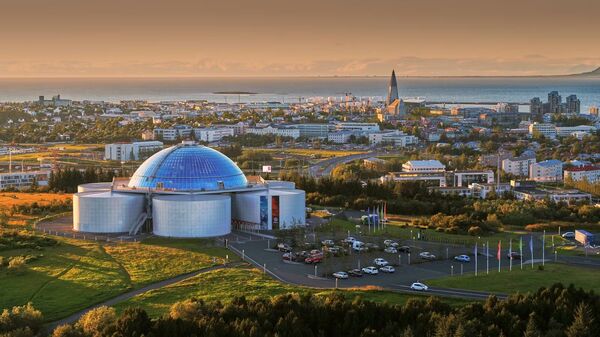
- Family-friendly sightseeing: Keep the day flexible, interactive, and easy to break up. Good family attractions include Whales of Iceland, with its life-sized whale models, and Perlan, with its nature exhibitions and planetarium show. Other great options are public pools, Reykjavík Maritime Museum, Árbær Open Air Museum, and a gentle walk around Tjörnin.
- Shopping, cafés and local neighbourhoods: Browse Icelandic wool, design shops, and bookstores around Laugavegur and Skólavörðustígur. Then, head towards Grandi for harbour views, ice cream, food halls, and local design. For a slower neighbourhood feel, try Vesturbær for speciality coffee, local pools, and quieter residential streets. It’s perfect for a final day that’s relaxed rather than scheduled.
Options for a Longer Stay in Reykjavík
If you are planning to stay for more than three days, the goal is not to pack every hour of your calendar. A longer holiday gives you room to add more regional day trips, slow down between bigger excursions, and even discover hidden gems in Reykjavík.
Extra days let you experience both the Golden Circle and the South Coast, or visit museums and pools at a gentler pace. It is ideal for weather-dependent activities, such as Northern Lights tours in winter. Longer stays also make it easier to add one or two bigger journeys beyond the usual short-break routes.
- The Snæfellsnes Peninsula: Often called “Iceland in Miniature”, this region is known for sea cliffs, lava fields, fishing villages, and the iconic Kirkjufell mountain. It can be done as a long single-day tour from Reykjavík. However, travellers with more time may prefer to slow the journey down with an overnight stay.
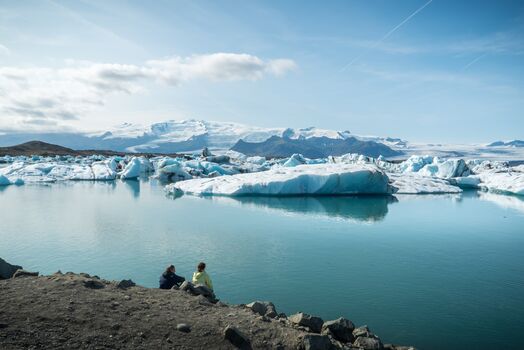
- A multi-day South Coast tour: For a deeper dive, consider a guided multi-day experience from Reykjavík. A two-day South Coast tour can take you beyond the standard day-trip route. Travel towards Jökulsárlón Glacier Lagoon, Diamond Beach, and glacier landscapes, with time for waterfalls and black-sand beaches along the way.
Practical Tips for Planning Your Itinerary in Reykjavík
To ensure your stay runs smoothly, it helps to understand how to get around Reykjavík before finalising your plans. Keep these essential practicalities in mind for a seamless trip:
- Book Airport Transfers in Advance: Keflavík International Airport is roughly 45 minutes from Reykjavík. To save time on arrival, pre-book your Flybus transfer and choose the option that best matches your flight time and accommodation plans.
- How to Get Around Reykjavík: The city centre is compact and highly walkable on foot. Hop-on hop-off sightseeing buses are also available. For journeys outside the capital, pre-booked coach transfers and guided day tours will handle all the logistics for you.
- Leave Buffer Time for Weather: Icelandic weather can change quickly, especially in winter. Avoid packing your days so tightly that one delay disrupts the rest of your Reykjavík itinerary. A little flexibility makes it easier to adjust if conditions affect tours, roads, or outdoor plans.
- Check Tour Pick-Up Locations: Pick-up in Reykjavík does not always mean collection from your hotel door. Because of city-centre traffic restrictions, many tours use designated bus stops near hotels and guesthouses. Double-check your assigned bus stop before departure, and consider choosing accommodation within easy walking distance of an official pick-up point.
- Plan Around Daylight Hours: Align your sightseeing with the season. In midwinter, Reykjavík may have as few as four to five hours of daylight. Reserve the brightest part of the day for outdoor landscapes and viewpoints. Save museums, restaurants, geothermal pools, and other city-centre activities for darker hours.
- Build a Weather Backup Plan: If high winds affect a whale-watching cruise or cloud cover interrupts a Northern Lights tour, have an indoor alternative. Use bad-weather days for museums, galleries, cafés, or food halls.
FAQs
How many days in Reykjavík do you need?
For a classic city break, three days let you explore the city centre, try local food, and even tour beyond Reykjavík. For a stopover, 24 to 48 hours is enough to see the downtown highlights and include one signature experience.
Do I need to rent a car while in Iceland?
No, you do not need a car in Reykjavík as it’s highly walkable and convenient transfers connect from the airport. Renting a car can be useful for independent travel beyond the capital, but it’s not essential for a Reykjavík itinerary.
What is the best day trip from Reykjavík for first-time visitors?
The Golden Circle is the classic day trip from Reykjavík for first-time visitors. It combines three of Iceland’s best-known natural sights in one route: Þingvellir National Park, Geysir geothermal area, and Gullfoss waterfall.
What should I include in a 3-day Reykjavík itinerary?
A balanced three-day Reykjavík itinerary should include one day for walkable city-centre landmarks. Spend another day on a classic day trip outside the city, and the last day shaped around your interests.
How should I plan a Reykjavík itinerary in winter?
A winter itinerary should be structured carefully around the limited daylight, reserving precious twilight hours for outdoor landscapes and waterfalls. Keep your evenings flexible for multi-night attempts at hunting the Northern Lights.
How should I plan a Reykjavík itinerary in summer?
A summer itinerary should take full advantage of long daylight hours, allowing you to visit popular spots late in the evening. During summer, it’s easy to balance daytime excursions like whale watching with evening walks along the waterfront or around Lake Tjörnin.


Áhugaverðar ferðir


Blogg
Fáðu innblástur! Upplýsingar og góð ráð, áhugaverðir áfangastaðir, skemmtilegar staðreyndar og margt fleira. Bloggið okkar er á ensku en það er stórskemmtilegt engu að síður!


The Silver Circle of West Iceland - Your Guide
You’ve heard of the Golden Circle, but here’s why you should head to Iceland’s western region to explore the msytical Silver Circle tour route.
Lesa bloggHow to Plan a Reykjavík Itinerary That Fits Your Trip
30. júní 2026
How to Plan a Reykjavík Itinerary That Fits Your Trip
30. júní 2026
Vibrant, scenic, and irresistibly energetic, Reykjavík is a city that delights at every turn. A traveller may spend one moment marvelling at striking architecture, then the next fully immersed in bustling shopping streets. In one visit, there are fresh flavours, bold art, and legendary nightlife to enjoy. Yet the best Reykjavík itinerary is not the same for everyone. A short stopover, a winter escape, and a longer Iceland holiday all call for a different plan. Here’s how to craft an effective Reykjavík itinerary, whether you have a few hours or several days to explore.
Why Most Reykjavík Itineraries Do Not Fit Every Trip
There are countless “ultimate” Reykjavík itinerary templates promising the perfect holiday in one of the world’s northernmost capitals. However, many guides assume every traveller arrives with the same goals, budget, and timeframe.
In reality, travel styles in Iceland vary immensely. A traveller with only 24 hours needs a completely different strategy from someone spending three days exploring the capital. Alternatively, an adventurer aiming for wide-ranging day tours into the countryside will need their own approach. A truly useful itinerary shouldn’t simply list all the famous things to do in Reykjavík. Instead, it must be flexible enough to reflect your travel goals, so you can experience the city on your own terms.
What Factors Shape Your Reykjavík Itinerary?
Before even pinning locations on a map, you need to establish the foundation of your trip. Designing a successful Reykjavík itinerary requires a realistic look at your practical constraints and personal preferences.
How Much Time Do You Have?
The number of days you have in Iceland will shape the pace of your Reykjavík itinerary. A short stopover calls for a focused city route, while a longer stay gives you time for day trips, local food, and downtime.
- The 24-to-48-Hour Stopover: If you are stopping over between continents, keep your plans simple and central. Reykjavík’s city centre is compact and easy to explore on foot, so you can still enjoy a rewarding visit. Focus on a walkable downtown route, with time for landmarks, cafés, local shops, or a food tour.
- The 3-to-5-Day City Base: This is the sweet spot for a classic city break. With a few days in Reykjavík, you can explore local culture, sample Icelandic cuisine, and add short excursions beyond the city. Spend one day on Reykjavík’s main sights, then use the other days for day tours, geothermal bathing, or neighbourhood wandering.
- Longer Than 5 Days: An extended stay allows for a more relaxed itinerary. Dedicate full days to major routes such as Golden Circle tours, and add coastal hot springs or geothermal lagoons. Plus, you can still keep spare time for cafés, museums, and harbour walks. It is also wise to leave some flexibility in your schedule, as Icelandic weather can change quickly.
When Are You Visiting?
Seasonality heavily influences how you map out your days. If you visit Iceland during summer (June to August), long daylight hours stretch your plans well into the evening. You can stroll down Rainbow Street or linger by the harbour late at night, without rushing back before dark.
A winter trip, especially from November to February, brings a very different rhythm. Around midwinter, daylight can last as little as five hours, so it pays to be strategic. Plan outdoor sightseeing for the brightest part of the day, and save museums, cafés, and cultural stops for lower-light hours. Keep the long nights free for Northern Lights excursions outside the city.
What Is Your Budget?
Iceland has a reputation for being a premium destination, but a thoughtful Reykjavík itinerary can still be shaped around most budgets. The key is deciding where to spend and where to save.
- Where to Splurge: Consider investing in the experiences that matter most to your trip. That can mean high-end Icelandic dining, guided small-group excursions, or a premium geothermal spa such as the oceanfront Sky Lagoon.
- Where to Save: Balance bigger-ticket experiences with Reykjavík’s excellent public spaces. Many of the capital’s highlights, from Harpa Concert Hall to the coastal walking paths, are free to enjoy. Food costs can also be managed with a little planning. For example, you might try a classic Icelandic hot dog or choose casual food halls instead of a pricier sit-down meal.
What Is Your Travel Style?
Identifying your travel style ensures you spend your holiday doing what you love, rather than blindly following a generic template. Consider which profile best describes you.
- The First-Time Visitor: If this is your first stay in Reykjavík, you may want a classic, balanced overview. Prioritise the city’s core landmarks, such as Hallgrímskirkja, Rainbow Street and Harpa Concert Hall. Meanwhile, leave time for local experiences such as geothermal pools, cafés, and harbour walks.
- The Nature-Focused Traveller: If you are using the capital as a convenient springboard into the wild, your Reykjavík itinerary will centre on outdoor experiences. You might join a whale watching cruise from the Old Harbour or take a day trip to the Golden Circle. In winter, leave an evening free for a Northern Lights tour.
- The Culture and Food Lover: For you, the ideal day revolves around heritage, art, and culinary discovery. Spend time at the National Museum of Iceland, and browse independent design boutiques. Don’t miss exploring the city’s food scene, from traditional lobster soup to contemporary New Nordic dining. The best way to get the taste of everything is by joining a Reykjavík food walking tour.
- The Family Traveller: Travelling with children calls for a manageable, stress-free pace. Focus on engaging, interactive spaces such as the Whales of Iceland exhibition, family-friendly hot springs, and easy walking routes. Reliable, structured transport can also help reduce long walks and tired legs.
- The Adventure Traveller: If you want active days, aim for excursions such as glacier hiking, horse riding across lava fields, or longer countryside tours. After a day outdoors, you can return to Reykjavík for dinner, live music, or the city’s lively weekend nightlife.
- The Slow Traveller: If you prefer to absorb the local atmosphere rather than tick off a long checklist, leave time for unhurried wandering. A good day might include a downtown café, a quiet art gallery, and a long soak in a neighbourhood thermal pool.
1-Day Reykjavík Itinerary for Quick Stopovers
If you only have one day in Reykjavík in between flights, you can still get a complete experience of the capital. The secret is focusing your time effectively. By pairing a walkable morning in downtown with one major experience, you can create a high-impact day without feeling rushed. Taking a hop-on hop-off sightseeing bus is also a convenient way to visit the city’s major landmarks at your own pace.
Morning: Start With the City Centre
For a short itinerary in Iceland’s capital, the city centre is the best place to begin. This walkable route links some of Reykjavík’s most recognisable landmarks with cafés, shopping streets, and harbour views. It’s a strong first impression without rushing across town.
- Begin at Hallgrímskirkja: Start your Reykjavík itinerary at one of the city’s most iconic buildings. Its towering concrete façade was inspired by Iceland’s volcanic basalt formations. It is also well worth a visit inside to take the lift up the tower for a panoramic view of the city’s colourful rooftops.
- Walk down Rainbow Street: From the church, follow Skólavörðustígur (Rainbow Street) towards downtown Reykjavík. Pause for coffee, browse small design shops, or take photos of the colourful pedestrian section.
- Continue along Laugavegur: Spend time on Reykjavík’s main shopping street, where you will find cafés, boutiques, souvenir shops, and local design.
- Head towards the harbour: Walk down to the oceanfront, passing Harpa Concert Hall before continuing towards the Old Harbour.
- Optional museum stop: If you have time, visit the Reykjavík Maritime Museum for excellent context on Iceland’s seafaring history.
Afternoon: Choose a Signature Experience
To avoid itinerary burnout, dedicate your afternoon to one standout experience that matches your travel priorities.
- The classic nature route (Golden Circle): If you want to see Iceland’s legendary landscapes but are short on time, choose an express Golden Circle tour from Reykjavík. This route typically includes three iconic sights: Þingvellir National Park, the Geysir geothermal area, and Gullfoss waterfall.
- A geothermal soak: For many travellers, a trip to Iceland feels incomplete without time to enjoy the hot springs and pools. For a spa-focused afternoon, visit Sky Lagoon near Reykjavík or take a shuttle bus to the world-famous Blue Lagoon. Allow enough time for transfers, changing, and a relaxed soak.
- The ocean wildlife adventure: If you want to get out on the water, join a whale watching tour from the Old Harbour. An afternoon cruise gives you the chance to spot marine life such as minke whales, humpback whales, white-beaked dolphins, and harbour porpoises.
- The culture and food trail: If you prefer a city-focused afternoon, spend time with Reykjavík’s museums, food, and local stories. Visit the National Museum of Iceland or the Icelandic Phallological Museum. Follow it with a casual food stop or an early evening food tour.
Evening: Relaxing and Seasonal
End your single day in Reykjavík at a gentler pace. After a full day, your evening should be simple, flexible, and shaped by the season.
- Enjoy a casual local dinner: Choose a cosy downtown restaurant for fresh Atlantic seafood, Icelandic lamb, or modern Nordic cooking. For a quicker, budget-friendly option, join the queue at Bæjarins Beztu Pylsur for a classic Icelandic hot dog.
- Take a scenic coastal stroll: After dinner, follow the waterfront path towards the Sun Voyager. This striking steel sculpture is especially atmospheric when the evening light shifts across Faxaflói Bay, with Mount Esja in the distance.
- The winter plan (Northern Lights): If you are visiting in winter, consider dedicating your evening to a guided Northern Lights tour. These excursions take you away from the city lights in search of the aurora borealis. Sightings are never guaranteed, so it is best to keep your plans flexible.
- The summer plan (Midnight Sun): If you are visiting in high summer, take advantage of Reykjavík’s long daylight hours. Enjoy a late-evening drink at a lively bar, wander along the waterfront, or take a peaceful walk around Lake Tjörnin.
3-Day Reykjavík Itinerary for an Expanded Holiday
With three days in Reykjavík, you can unlock the full potential of a city-based Icelandic holiday. The first 24 hours can follow the exact blueprint outlined in the one-day Reykjavík itinerary above. Then, the second and third days allow you to branch outward.
Day 2: Add a Classic Day Trip
An advantage of a multi-day stay in Reykjavík is using the capital as a convenient base for exploring beyond the city. With guided day tours from Reykjavík, local experts handle the driving and route planning while you focus on Iceland’s landscapes.
- The Golden Circle: If you didn’t choose this route on your first day, this is an ideal time to add it to your itinerary. This classic route is a strong choice for first-time visitors who want to see some of Iceland’s best-known natural sights.
- The South Coast: If you prefer glaciers, waterfalls, and black-sand beaches, head along the Ring Road for full-day South Coast tours. This route often includes Seljalandsfoss and Skógafoss waterfalls, the black-sand shore of Reynisfjara, and views of Sólheimajökull glacier. It is a longer day, but one of the most rewarding options for dramatic scenery.
- The Reykjanes Peninsula: If you are drawn to raw volcanic landscapes, spend the day exploring the Reykjanes Peninsula. This region offers geothermal areas, lava fields, rugged coastlines, and dramatic sea cliffs within easy reach of Reykjavík.
Day 3: Personalise Your Reykjavík Itinerary
For your final day, choose the option that best matches your travel style. Rather than following someone else’s template, slow down, go deeper into the city, or add one last experience.
- Geothermal bathing and slow travel: Make this a relaxed day built around warm water, local rituals and a slower pace. For a classic Reykjavík experience, visit one of the city’s public swimming pools, such as Sundhöllin, Laugardalslaug, Vesturbæjarlaug or Árbæjarlaug. For something more unusual, head to Nauthólsvík Geothermal Beach for a sheltered sea lagoon and hot tubs close to the shore.
- Food, culture, and museums: History-focused travellers can choose the National Museum of Iceland, The Settlement Exhibition, Reykjavík Maritime Museum, or Árbær Open Air Museum. Art lovers might prefer Hafnarhús, Kjarvalsstaðir, Ásmundarsafn, or the National Gallery of Iceland. Balance your museum time with a harbour lunch, a food tour, a bakery stop, or a casual seafood dinner.
- Adventure activities: Depending on the season, you could go snorkelling in the Silfra fissure in Þingvellir National Park or ride Icelandic horses across lava fields. You can also join an ATV tour, explore lava caves, visit glaciers, or add a whale-watching trip from the harbour. Reykjavik Excursions’ new Litla Kaffistofan tours make rugged adventures especially convenient. These ATV tours depart from a base about 25 minutes from the capital’s main bus terminal before heading into the Hengill geothermal area, lava fields, and black sand terrain.
- Family-friendly sightseeing: Keep the day flexible, interactive, and easy to break up. Good family attractions include Whales of Iceland, with its life-sized whale models, and Perlan, with its nature exhibitions and planetarium show. Other great options are public pools, Reykjavík Maritime Museum, Árbær Open Air Museum, and a gentle walk around Tjörnin.
- Shopping, cafés and local neighbourhoods: Browse Icelandic wool, design shops, and bookstores around Laugavegur and Skólavörðustígur. Then, head towards Grandi for harbour views, ice cream, food halls, and local design. For a slower neighbourhood feel, try Vesturbær for speciality coffee, local pools, and quieter residential streets. It’s perfect for a final day that’s relaxed rather than scheduled.
Options for a Longer Stay in Reykjavík
If you are planning to stay for more than three days, the goal is not to pack every hour of your calendar. A longer holiday gives you room to add more regional day trips, slow down between bigger excursions, and even discover hidden gems in Reykjavík.
Extra days let you experience both the Golden Circle and the South Coast, or visit museums and pools at a gentler pace. It is ideal for weather-dependent activities, such as Northern Lights tours in winter. Longer stays also make it easier to add one or two bigger journeys beyond the usual short-break routes.
- The Snæfellsnes Peninsula: Often called “Iceland in Miniature”, this region is known for sea cliffs, lava fields, fishing villages, and the iconic Kirkjufell mountain. It can be done as a long single-day tour from Reykjavík. However, travellers with more time may prefer to slow the journey down with an overnight stay.
- A multi-day South Coast tour: For a deeper dive, consider a guided multi-day experience from Reykjavík. A two-day South Coast tour can take you beyond the standard day-trip route. Travel towards Jökulsárlón Glacier Lagoon, Diamond Beach, and glacier landscapes, with time for waterfalls and black-sand beaches along the way.
Practical Tips for Planning Your Itinerary in Reykjavík
To ensure your stay runs smoothly, it helps to understand how to get around Reykjavík before finalising your plans. Keep these essential practicalities in mind for a seamless trip:
- Book Airport Transfers in Advance: Keflavík International Airport is roughly 45 minutes from Reykjavík. To save time on arrival, pre-book your Flybus transfer and choose the option that best matches your flight time and accommodation plans.
- How to Get Around Reykjavík: The city centre is compact and highly walkable on foot. Hop-on hop-off sightseeing buses are also available. For journeys outside the capital, pre-booked coach transfers and guided day tours will handle all the logistics for you.
- Leave Buffer Time for Weather: Icelandic weather can change quickly, especially in winter. Avoid packing your days so tightly that one delay disrupts the rest of your Reykjavík itinerary. A little flexibility makes it easier to adjust if conditions affect tours, roads, or outdoor plans.
- Check Tour Pick-Up Locations: Pick-up in Reykjavík does not always mean collection from your hotel door. Because of city-centre traffic restrictions, many tours use designated bus stops near hotels and guesthouses. Double-check your assigned bus stop before departure, and consider choosing accommodation within easy walking distance of an official pick-up point.
- Plan Around Daylight Hours: Align your sightseeing with the season. In midwinter, Reykjavík may have as few as four to five hours of daylight. Reserve the brightest part of the day for outdoor landscapes and viewpoints. Save museums, restaurants, geothermal pools, and other city-centre activities for darker hours.
- Build a Weather Backup Plan: If high winds affect a whale-watching cruise or cloud cover interrupts a Northern Lights tour, have an indoor alternative. Use bad-weather days for museums, galleries, cafés, or food halls.
FAQs
How many days in Reykjavík do you need?
For a classic city break, three days let you explore the city centre, try local food, and even tour beyond Reykjavík. For a stopover, 24 to 48 hours is enough to see the downtown highlights and include one signature experience.
Do I need to rent a car while in Iceland?
No, you do not need a car in Reykjavík as it’s highly walkable and convenient transfers connect from the airport. Renting a car can be useful for independent travel beyond the capital, but it’s not essential for a Reykjavík itinerary.
What is the best day trip from Reykjavík for first-time visitors?
The Golden Circle is the classic day trip from Reykjavík for first-time visitors. It combines three of Iceland’s best-known natural sights in one route: Þingvellir National Park, Geysir geothermal area, and Gullfoss waterfall.
What should I include in a 3-day Reykjavík itinerary?
A balanced three-day Reykjavík itinerary should include one day for walkable city-centre landmarks. Spend another day on a classic day trip outside the city, and the last day shaped around your interests.
How should I plan a Reykjavík itinerary in winter?
A winter itinerary should be structured carefully around the limited daylight, reserving precious twilight hours for outdoor landscapes and waterfalls. Keep your evenings flexible for multi-night attempts at hunting the Northern Lights.
How should I plan a Reykjavík itinerary in summer?
A summer itinerary should take full advantage of long daylight hours, allowing you to visit popular spots late in the evening. During summer, it’s easy to balance daytime excursions like whale watching with evening walks along the waterfront or around Lake Tjörnin.
Áhugaverðar ferðir
Blogg
Fáðu innblástur! Upplýsingar og góð ráð, áhugaverðir áfangastaðir, skemmtilegar staðreyndar og margt fleira. Bloggið okkar er á ensku en það er stórskemmtilegt engu að síður!
The Silver Circle of West Iceland - Your Guide
You’ve heard of the Golden Circle, but here’s why you should head to Iceland’s western region to explore the msytical Silver Circle tour route.
Lesa blogg